
Organic Dropshipping in 2026: From Free Traffic to Scalable Fulfillment
Learn how to turn free traffic into sustainable sales with the right products, content strategy, store experience, and scalable fulfillment system.

- Organic dropshipping uses content, search, communities, referrals, and email to attract customers without relying primarily on paid advertising.
- The strongest products are easy to demonstrate, solve a recognizable problem, maintain workable margins, and remain consistent across production batches.
- Views alone do not indicate commercial success. Track qualified clicks, add-to-cart activity, conversions, refunds, and repeat purchases.
- Viral demand can expose inventory, quality-control, processing, packaging, and shipping weaknesses.
- Scalable growth requires coordinated sourcing, inspection, inventory, fulfillment, logistics, and after-sales support.
- Proven organic content can guide future paid advertising and creative decisions.
Organic dropshipping does not remove the cost of acquiring customers. It changes the form of that cost. Instead of paying mainly for clicks, the seller invests time in audience research, samples, content, search visibility, and customer relationships.
That can make early testing more affordable, but it creates a different risk. A strong video or useful article may generate orders faster than the supplier, warehouse, or shipping process can handle. This guide follows the full path—from earning attention without ads to fulfilling demand without losing control of quality, delivery, or customer support.
Why Organic Dropshipping Matters in 2026
A video can send thousands of visitors to a store overnight. If the supplier runs out of stock, the next batch differs from the product on screen, or dispatch begins to slip, that traffic quickly becomes support tickets, refunds, and negative reviews.
This is the tension behind organic dropshipping. Sellers can start without buying large amounts of inventory, but they still need a dependable way to find customers. Paid campaigns on Meta, TikTok, or Google provide fast reach, yet they can consume a small testing budget before demand is clear.
Organic acquisition takes another route. Sellers use TikTok, Instagram Reels, YouTube, search content, online communities, customer-generated content, referrals, and email to earn attention.
That reach is unpaid, not free. The work moves into researching the audience, ordering samples, filming, writing, editing, answering questions, improving product pages, and building an email list. Several weeks of publishing may produce little. One post may then create more orders than the operation is ready to process.
Organic dropshipping is therefore more than a way to avoid ad spend. It is a way to test and build demand through content and search. Whether that demand becomes durable growth depends on the product, store, supplier, and fulfillment process behind it.
What Does Organic Dropshipping Mean?
Organic dropshipping is standard dropshipping with an unpaid customer-acquisition strategy. The seller selects products, runs the store, markets the offer, and manages the customer relationship. A supplier or fulfillment partner sources, stores, packs, and ships the product.
Here, “organic” refers to traffic—not food, materials, sustainability, or certification. Customers may find the store through TikTok, Reels, YouTube, Google Search, Pinterest, communities, referrals, customer content, or email.
Organic and Paid Traffic Solve Different Problems
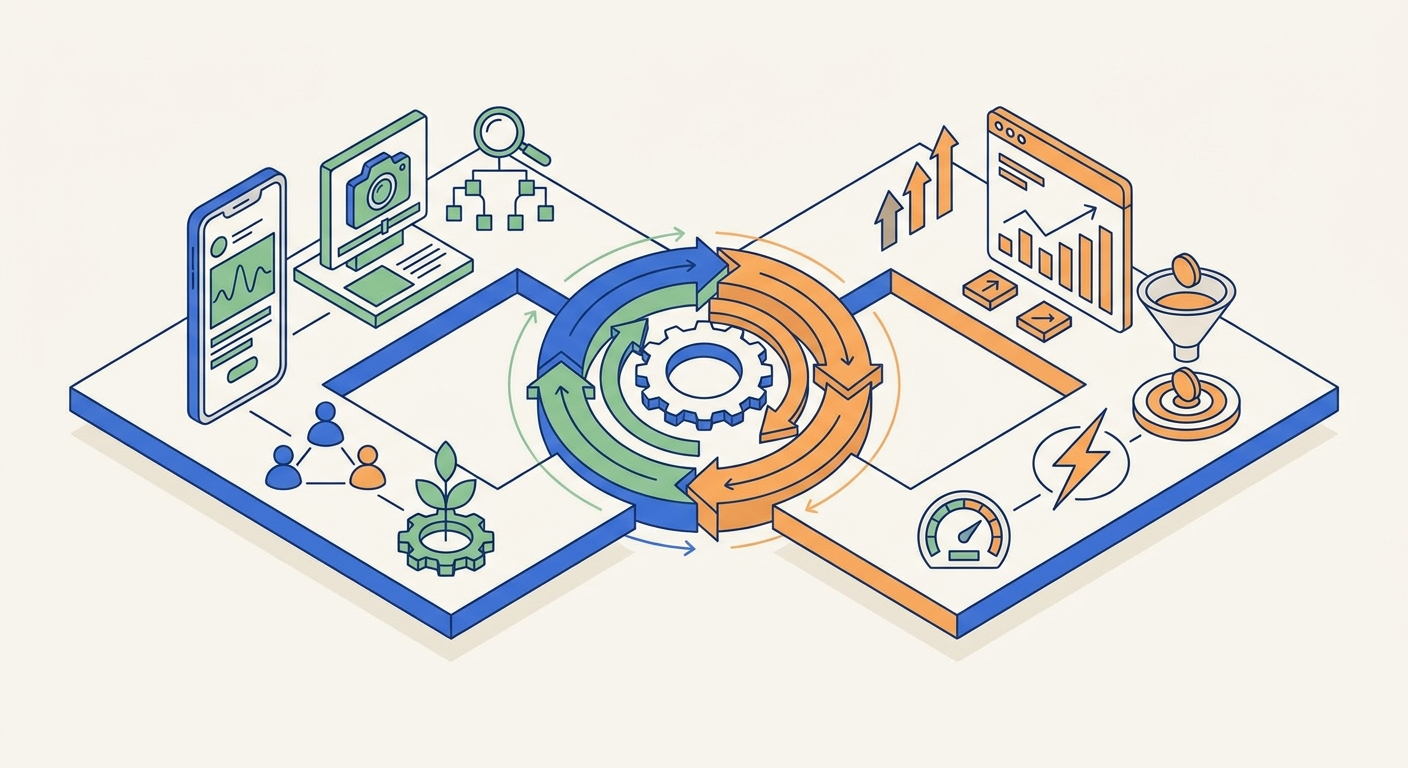
Organic traffic requires less upfront media spend, but it demands consistent production and patience. Results are uneven, and reach can change with platform performance or search rankings. The advantage is that a useful video, tutorial, or comparison page may continue attracting visitors after publication.
Paid traffic creates faster feedback. A seller can place a product in front of a defined audience and measure the response quickly. The risk arrives just as fast: poor conversion, rising acquisition costs, or creative fatigue can consume the budget, and most traffic stops when the campaign stops.
The two approaches are not opposites. Organic content can reveal which customer problems, benefits, and creative angles deserve attention. Paid media can then extend the reach of ideas that have already produced qualified clicks or sales. Organic helps find the message; advertising helps distribute it.
Is Organic Dropshipping Right for You?
Organic dropshipping works best when content is part of the weekly operation, not an emergency response when sales slow down. Early results may be inconsistent, so the seller needs enough time to test formats, study which posts attract qualified visitors, and continue publishing when the first attempts go nowhere.
It is a weaker fit for anyone who needs predictable revenue within days or expects one viral post to carry the business. Content also needs a reliable source: the seller must be able to film, write, work with creators, or combine these approaches, then respond to the questions that follow.
A useful test is to look past the first sale:
Can the niche support dozens of genuinely useful content ideas?
Can a viewer understand the product within a few seconds?
If 500 orders arrive tomorrow, is there a plan for stock, quality checks, packing, and dispatch?
If an order arrives late or damaged, is responsibility clear?
If those answers are weak, more traffic may expose the operation rather than strengthen it.
How to Choose Products for Organic Growth
A strong organic product has to work twice: on screen and after the sale.
On screen, its value should be easy to understand. A visible problem, a clear demonstration, and a recognizable result give viewers a reason to stop. Before-and-after clips, unboxings, product tests, and everyday use often communicate more quickly than a list of features.
After the click, the economics still have to work. The selling price must cover the product, shipping, packaging, payment fees, returns, and support. A bulky, fragile, or restricted product may look impressive in a video but leave little margin once delivery and damage risk are included.
Supply also has to remain consistent. The supplier must be able to deliver the same product customers saw in the content, across later batches and higher volumes. Some products attract views but fail as businesses because margins are thin, shipping is expensive, quality varies, or demand disappears quickly.
A viral product is not automatically a scalable product. Choose for visible value, workable economics, and repeatable supply—not only for the chance of a successful post.
A Practical Organic Dropshipping Launch Plan
- Define the Customer and Situation
“Home,” “fitness,” and “pets” are too broad to guide product or content decisions. Start with a specific customer and context: people organizing small apartments, pet owners who travel, remote workers with limited desk space, or new parents looking for portable essentials.
A narrower market makes product selection clearer and gives the content a recognizable point of view.
- Look for Repeated Problems
Read comments under TikTok and YouTube videos. Check Reddit discussions, Facebook Groups, Google suggestions, Amazon reviews, and competing stores. Look for complaints that keep returning, questions no one answers well, and posts people save or share.
These signals are more useful than finding a product on a generic trend list.
- Keep Several Products and Suppliers in Play
Shortlist two or three products and compare multiple suppliers for each. Ask for current quotes, available stock, processing times, and shipping options.
The lowest unit price is not always the lowest total cost. Expensive delivery, weak packaging, or unstable supply can erase the apparent saving.
- Test the Product Yourself
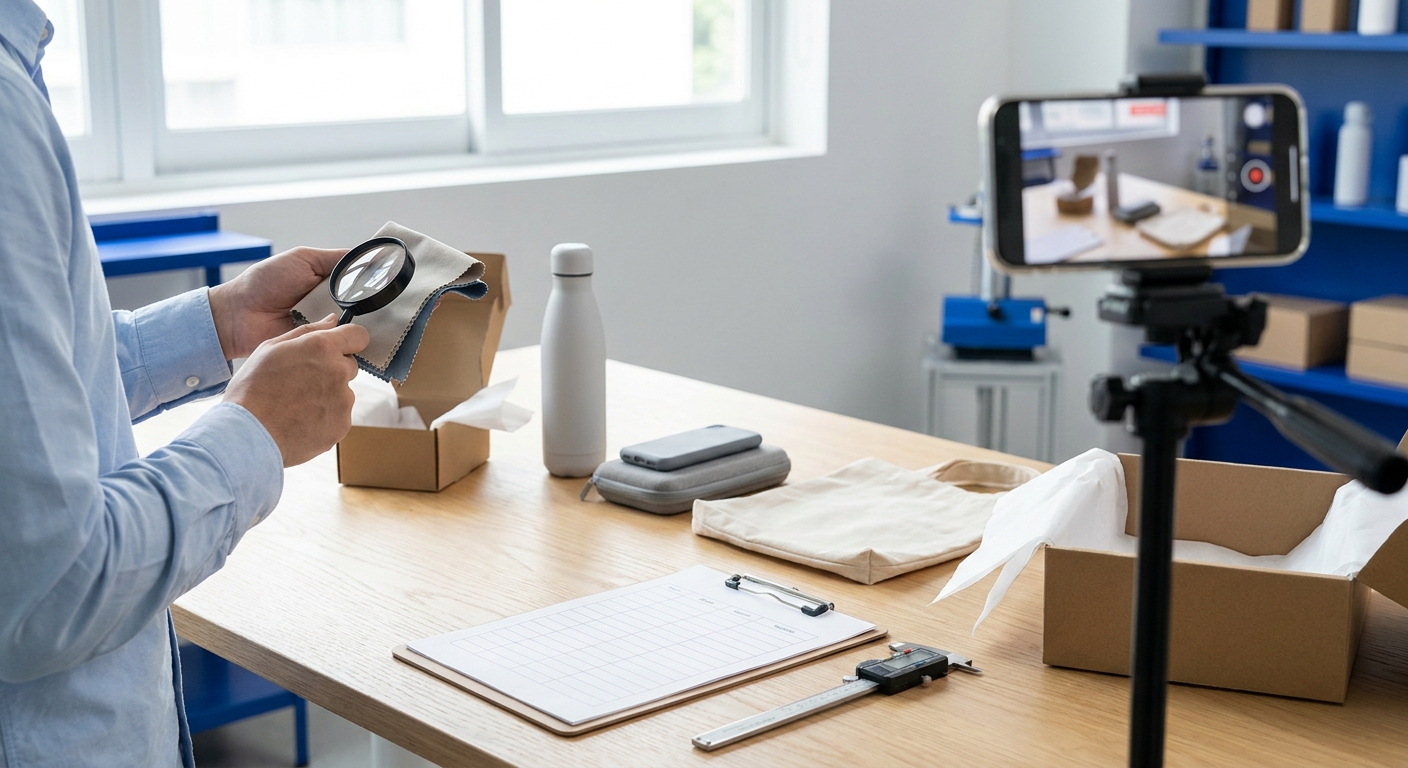
Order samples before building a large content library. Compare the item with its listing, inspect the packaging, and verify the material, dimensions, colors, functions, and variants. Record the real delivery time.
The sample should answer two simple questions: Does the product show well on camera, and does it feel worth the intended price?
- Build a Store That Continues the Content
Use original sample photos and videos where possible. Carry the same problem and benefit from the post into the product page. State realistic delivery times, make the return policy easy to find, and address common objections through reviews, customer content, and a concise FAQ.
On mobile, the page should load cleanly and checkout should not create unnecessary friction. Email capture gives an interested visitor a reason to remain reachable after the first session.
- Measure What the Content Produces
Create several hooks and angles instead of repeating the same demonstration. Views and engagement help diagnose reach, but clicks, add-to-cart activity, purchases, refunds, and profit reveal business value.
A post with modest reach may outperform a viral one if it attracts people who buy. Keep the ideas that convert, rework those that show qualified interest, and stop investing in content that produces attention without sales.
The Best Organic Traffic Channels
Organic channels play different roles. The right mix depends on how customers discover the product and how much explanation they need before buying.
TikTok: Test Creative Angles Quickly
TikTok is useful for testing demonstrations, problem-and-solution videos, before-and-after clips, comment replies, livestreams, and UGC-style content.
The opening needs a clear reason to keep watching: a familiar problem, a visible result, an unexpected use, or a sharp contrast. Views are encouraging, but profile visits, clicks, add-to-cart activity, and sales are stronger signals.
Instagram Reels: Build Context and Credibility
Reels can introduce the product to new viewers. Stories and the profile help them decide whether the store feels credible.
TikTok material can be adapted for Instagram, but the account should not become a collection of disconnected product pitches. Reviews, customer videos, product details, and behind-the-scenes content give visitors more evidence. Clarity and proof matter more than a perfectly curated grid.
YouTube: Support Discovery and Research
Shorts can introduce a product quickly. Longer tutorials, comparisons, and reviews serve customers who want more detail before buying and may remain searchable after a short clip stops receiving recommendations.
The same product can support a brief demonstration, a one-minute explanation, and a detailed review. Each format serves a different level of intent.
SEO: Capture Existing Demand
Social content creates discovery. Search meets people who are already looking for a product, comparison, or solution.
Useful pages include tutorials, comparisons, buying guides, FAQs, and articles built around real customer problems. Direct titles, descriptive image text, relevant internal links, mobile usability, and page speed support both search visibility and conversion.
SEO usually takes longer to develop, but a relevant page can continue attracting qualified visitors without daily reposting.
UGC, Communities, and Email: Keep What Organic Reach Creates
UGC shows the product outside the seller’s own advertising. Communities reveal objections, use cases, and customer language that may not appear in formal research. Both improve future content and product pages.
Email gives the business a direct line to people who already showed interest. A basic setup can include a welcome sequence, abandoned-cart reminders, post-purchase guidance, review requests, and useful product education.
Organic growth should leave the business with more than views. It should produce customer knowledge, credible proof, and an audience the seller can reach again.
From Organic Views to Sustainable Sales
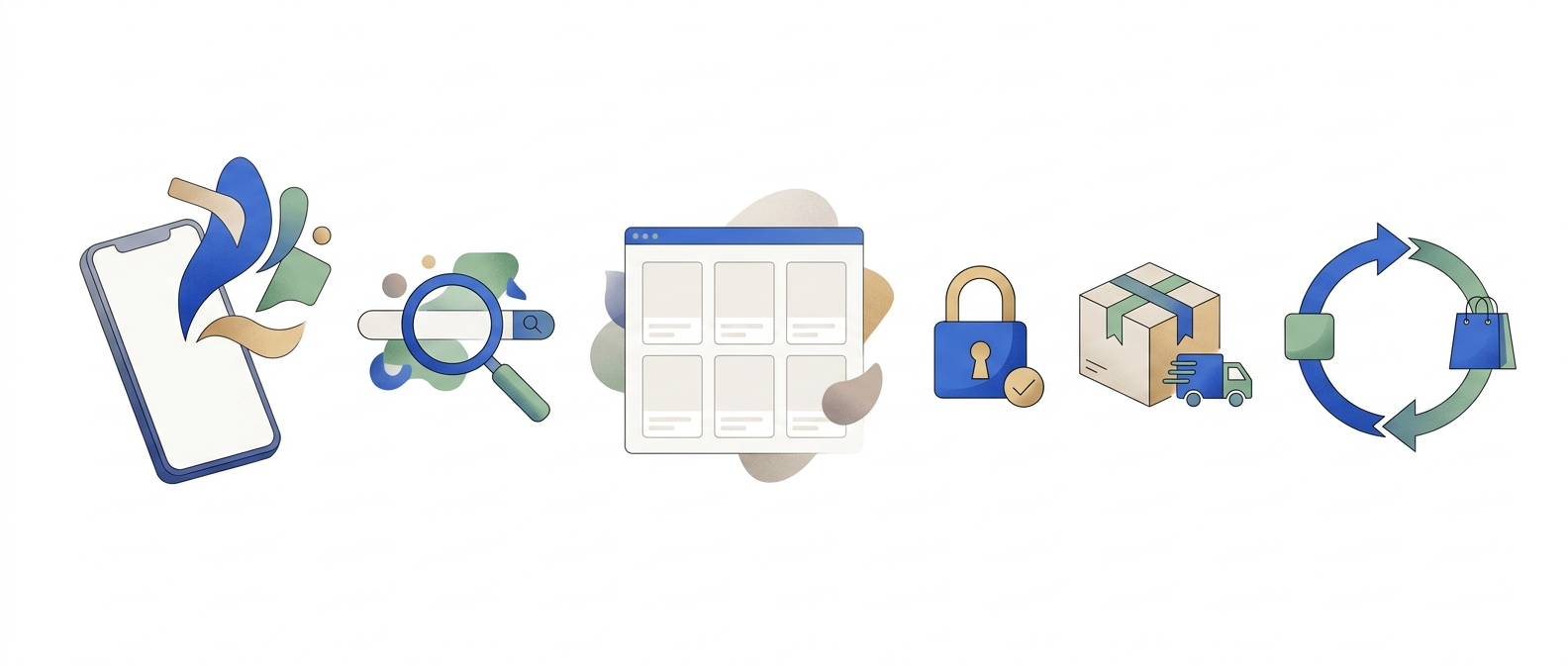
A product can attract thousands of views without attracting many buyers. People may enjoy the demonstration or share the video without needing the product. Views measure attention; they do not measure purchase intent.
The gap often appears on the product page. The video shows a faster or easier routine, while the page falls back on dimensions, materials, and generic features. A stronger page carries the same idea forward: what problem disappears, what changes for the customer, and why this option is worth paying for.
The store then has to earn enough trust to complete the sale. Supplier images with no original footage, vague delivery estimates, thin reviews, hidden contact details, or hard-to-find return terms create doubt. On mobile, slow loading, repeated pop-ups, unexpected shipping charges, or a long checkout can lose an interested buyer.
Many visitors will not purchase on the first visit. Email capture and abandoned-cart messages create another chance to answer questions. Follow-up is more useful when it resolves an objection or explains the product, rather than immediately offering another discount.
Measure the full path:
Click-through rate shows whether the content creates enough interest to visit.
Product-page engagement and add-to-cart rate show whether the offer holds attention.
Checkout completion and conversion rate reveal where purchase intent weakens.
Refunds and repeat purchases show whether the product delivered what the content promised.
Sometimes the opposite problem appears: the content converts too well.
A viral post can push volume beyond supplier or warehouse capacity. Stock runs out. A replacement batch differs from the sample. Under pressure, the wrong colors, sizes, or variants are packed. Dispatch slows, tracking arrives late, and packaging that worked at low volume begins failing across international shipments.
The marketing dashboard still looks successful. Behind it, the business is accumulating support requests, refunds, payment disputes, and negative reviews.
Marketing creates demand. Fulfillment decides whether that demand becomes revenue, repeat business, or refunds.
From Viral Orders to Scalable Fulfillment
Automation can remove repetitive work, but it cannot compensate for unclear product standards, unreliable suppliers, or weak exception handling. A scalable operation needs the entire fulfillment workflow to follow the same rules.
Centralize Supplier Management
Document the approved materials, variants, packaging, lead times, and quality standards. Prepare backup supply before a strong product runs out of stock. Managing several suppliers without one specification creates inconsistent products and expectations.
Inspect Before Dispatch
Quality checks should compare each order with the approved sample. Depending on the product, this may cover the model, color, size, appearance, function, accessories, and packaging.
Catching a visible defect or wrong variant before international dispatch is usually less costly than resolving it after delivery.
Keep Inventory Visible
Reliable stock updates are necessary even when real-time data is unavailable. Low-stock alerts prevent content from promoting products that cannot be fulfilled. Once demand becomes consistent, private inventory can improve availability and shorten processing time.
Content schedules and replenishment plans should be coordinated rather than managed separately.
Standardize Order Processing
Define the path from checkout to dispatch: order synchronization, product and variant mapping, picking, packing, shipping, tracking updates, and exception handling.
Automation works well inside this structure. Without accurate mapping and operating rules, it processes mistakes faster.
Choose Logistics by Product and Market
The cheapest route is not always the lowest-cost outcome. Destination, product category, dimensions, weight, tracking quality, customs requirements, delivery expectations, and damage risk all matter.
A slightly higher shipping cost may be justified if it reduces delays, replacements, and support work.
Assign After-Sales Responsibility
Decide in advance who contacts the supplier, warehouse, and carrier; what evidence is required; and when a replacement or refund will be issued.
Clear ownership prevents each party from passing the problem elsewhere.
Add Branding After Demand Is Proven
Branded packaging, inserts, labels, private inventory, OEM, ODM, and POD can improve consistency and differentiation. They make more sense after the product shows repeatable demand. Adding them too early creates cost and inventory risk before the business knows what will sell.
Scalable fulfillment is not defined by how many tasks are automated. It is defined by whether sourcing, quality control, inventory, order processing, logistics, and after-sales continue to work when volume rises.
How FFOrder Supports the Move From Testing to Scale
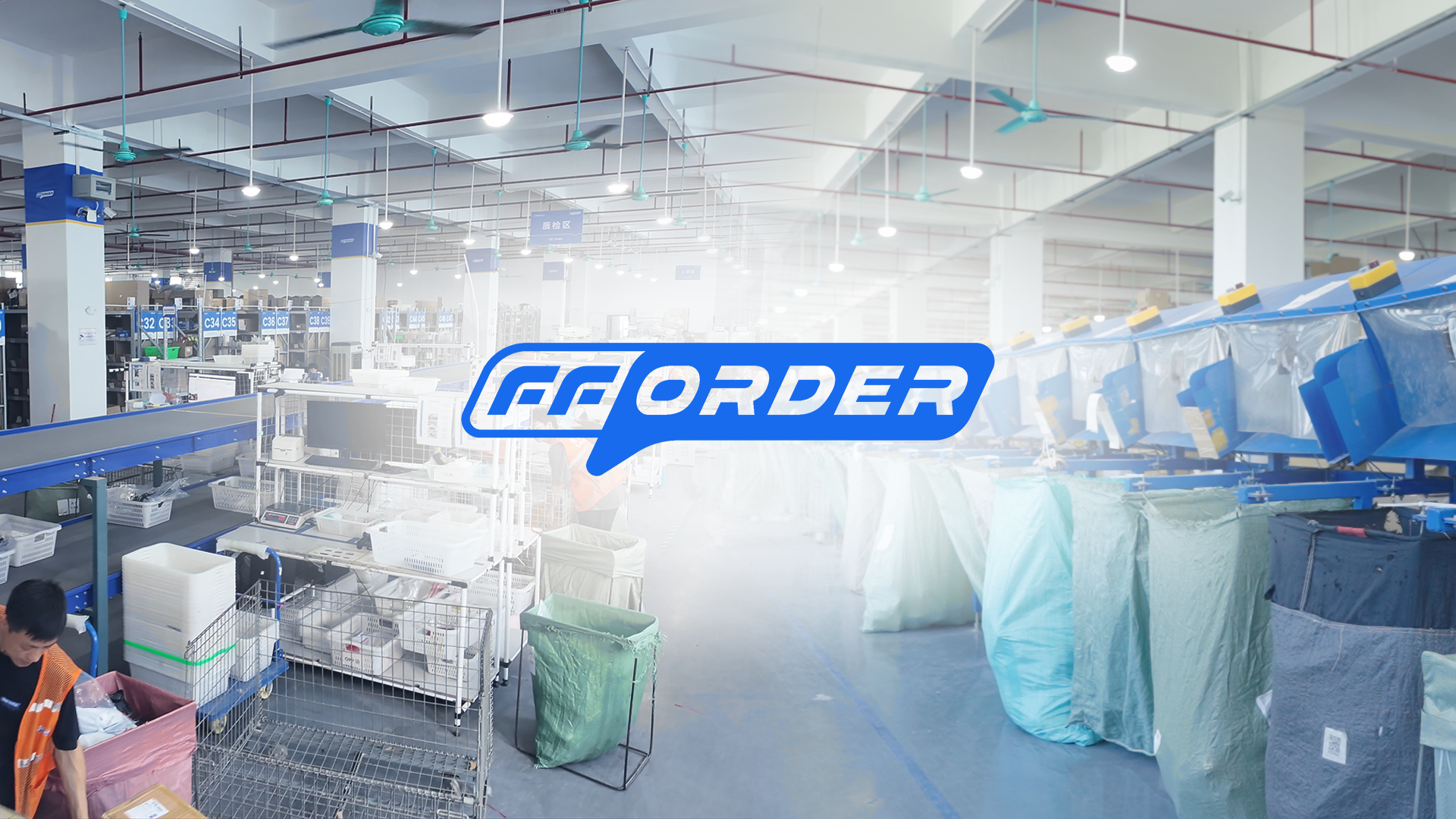
An organic store can begin with a sample and a useful piece of content. The operation becomes harder when orders arrive consistently. Stock must remain available, later batches must match what customers saw, and every order still needs to be packed and shipped correctly.
FFOrder brings those moving parts into one supply chain workflow. As an integrated supply chain solution provider for global ecommerce businesses, it coordinates sourcing, procurement, quality control, warehousing, fulfillment, logistics, customization, and after-sales—not only parcel dispatch.
During testing, that may mean comparing suppliers, obtaining quotes and samples, and checking whether the product is practical to package and ship. As demand becomes repeatable, the focus shifts to documented specifications, consistent inspection, inventory planning, and shipping routes matched to the product and market.
Higher volume makes coordination more important. Centralized inventory and fulfillment reduce the need to chase separate providers. Standard procedures for picking, packing, dispatch, tracking, and exceptions make responsibility clearer when an order is late, damaged, or incorrect.
Branding can follow after the product proves itself. FFOrder supports low-MOQ customization, branded packaging, logos, cards, private inventory, and OEM, ODM, or POD options. These can be introduced in stages rather than loaded into the earliest test.
FFOrder cannot decide whether a product will succeed or make content go viral. Its role begins where marketing stops being enough: turning China supply chain complexity into a more controllable and scalable fulfillment system for growing ecommerce sellers.
The Organic Dropshipping Readiness Checklist
Review these questions before sending more traffic to the store.
Audience and Product
Is the target customer clear?
Can the product’s value be understood in a few seconds?
Does it solve a recognizable problem?
Has the sample been inspected?
Can the supplier reproduce the same quality in later batches?
Costs and Store Experience
Does the price cover product, shipping, payment fees, returns, and support?
Is the page fast and usable on a phone?
Are delivery estimates visible before checkout?
Are the return policy, contact details, and support information easy to find?
Content and Measurement
Can the product support 10–20 distinct content angles?
Are clicks, add-to-cart activity, and purchases measured alongside views?
Can the store capture email and follow up on abandoned carts?
Fulfillment and Growth
If one post generates 500 orders, are stock and processing capacity ready?
Is responsibility clear when an order is wrong, damaged, or delayed?
After demand is proven, is there a practical plan for private inventory, branding, or customization?
A “no” does not automatically disqualify the product. It identifies a gap to fix before more traffic makes the problem harder and more expensive.
Final Takeaway: Traffic Starts Growth, Fulfillment Sustains It
Organic dropshipping does not eliminate customer-acquisition costs. It shifts the investment from media spend toward audience understanding, content, search visibility, trust, and customer relationships.
Traffic only helps when the rest of the business can support it. The product needs enough margin to cover fulfillment and after-sales. The store must convert interest into purchases. Supply and quality must remain consistent, while packaging, tracking, delivery, and support must match the promise made in the content.
A viral post can create orders overnight. It cannot guarantee that those orders arrive correctly or on time. That depends on the supply chain—and it determines whether a burst of attention leads to refunds or to reviews, repeat purchases, and durable growth.
Content earns attention. The store turns attention into orders. The supply chain determines what happens next.
Frequently Asked Questions
What is organic dropshipping?
Organic dropshipping means attracting customers without relying primarily on paid advertising. Traffic may come from TikTok, Instagram Reels, YouTube, Google Search, Pinterest, communities, customer content, referrals, and email.
Does “organic” mean organic or eco-friendly products?
No. It describes how customers find the store. It says nothing about materials, environmental impact, or certification.
Can I start organic dropshipping without paid ads?
Yes, but unpaid traffic still requires work. Sellers need to research the audience, create content, improve search visibility, answer questions, and maintain a store that can convert the interest they generate.
How long does organic dropshipping take to produce results?
There is no standard timeline. One post may gain traction quickly, but consistent sales usually require repeated testing. Results depend on the product, niche, platform, content quality, publishing frequency, and store conversion.
Which platform should I use?
Choose according to how customers discover and evaluate the product. TikTok is useful for rapid creative testing, Instagram for visual context and trust, YouTube for discovery and research, and SEO for people already searching for a product or solution.
What products work best for organic dropshipping?
Look for products whose value is easy to demonstrate and understand. A strong candidate solves a recognizable problem, leaves enough margin after fulfillment and support, and remains available at consistent quality when demand rises.
Should organic traffic replace paid advertising?
Not necessarily. Organic content can identify the problems, benefits, hooks, and formats that generate real interest. Paid campaigns can then extend the reach of ideas that have already produced qualified clicks or sales.
What should I do if a post goes viral?
Check stock, supplier capacity, product specifications, processing time, packaging, and shipping routes before accepting more orders than the operation can handle. Update customers clearly if delivery expectations change.
When should I add branded packaging or private inventory?
After the product shows repeatable demand. Adding packaging, labels, inserts, or dedicated stock during early testing can create unnecessary cost and inventory risk.
Why does fulfillment matter so much?
Content sets the expectation; fulfillment has to meet it. Product accuracy, condition, delivery time, tracking, and problem resolution shape refunds, reviews, repeat purchases, and long-term credibility.
FFOrder Team
A FFOrder ajuda marcas em crescimento a operar dropshipping e fulfillment como um único sistema — desde o sourcing em uma rede de mais de 40.000 fábricas até o envio global e um suporte pós-venda estruturado.
Ready to Scale Your Organic Dropshipping Business?
FFOrder helps ecommerce sellers coordinate sourcing, quality control, inventory, fulfillment, global shipping, customization, and after-sales support in one scalable supply chain workflow.
-1200x628%20(14).png)