
Apparel fulfillment built around Every size, color, and label
FFOrder connects apparel sourcing, unit-by-unit inspection, brand preparation, inventory control, and international fulfillment. Each style, color, and size follows the same approved product record from inbound to dispatch.
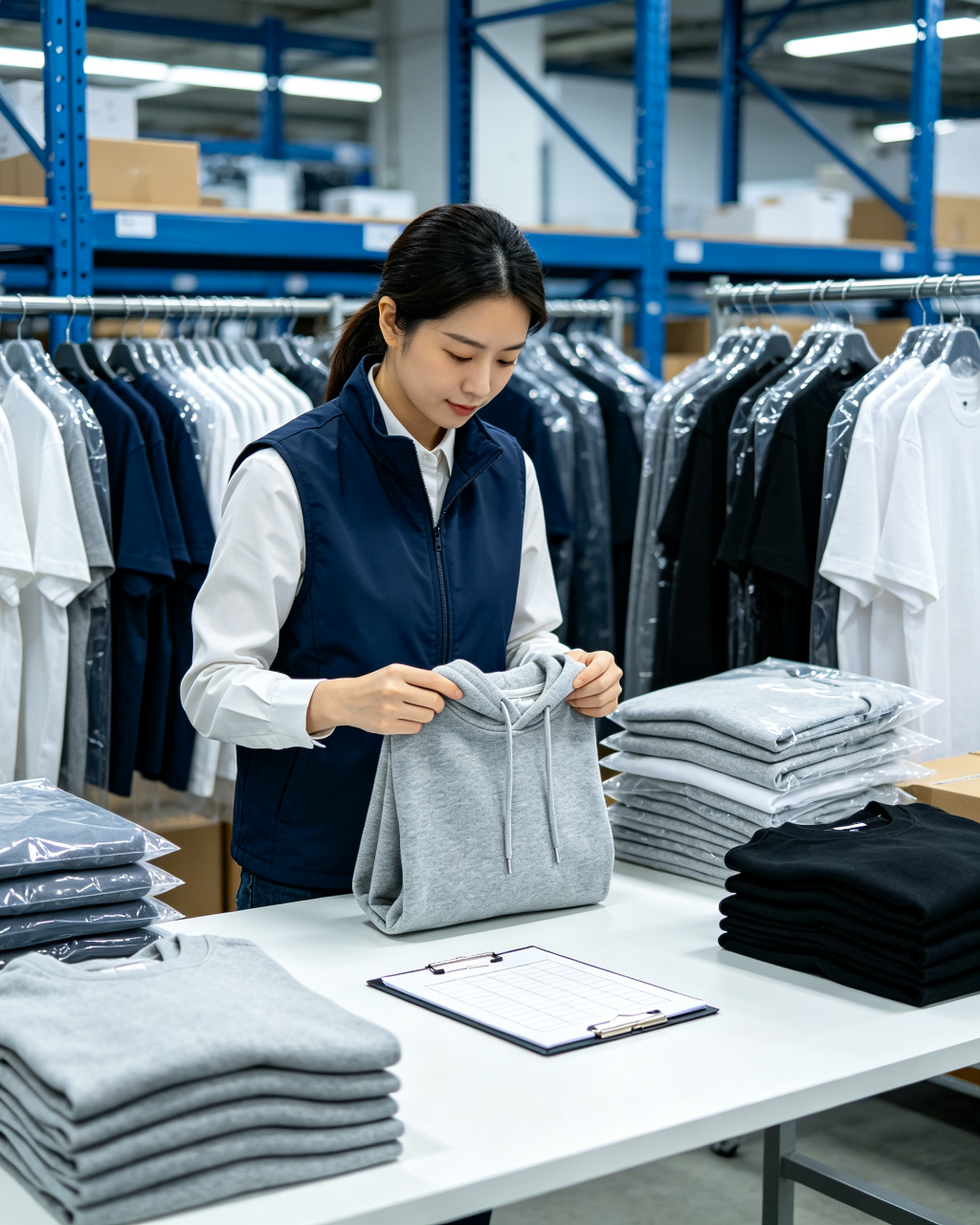

Designed for apparel with
more than one variant
A basic product listing becomes an operational problem when several styles, colors, sizes, labels, and packaging versions must remain aligned.

Multi-Variant apparel brands
T-shirts, hoodies, shirts, dresses, skirts, trousers, jackets, sportswear, and other ranges sold in several colors and sizes.

Private-label sellers
Brands removing supplier identification, adding hang tags, changing size labels, sewing in a logo, or preparing a branded packout.

DTC and independent stores
Sellers that want inspection, brand preparation, storage, and single-order fulfillment to follow one product standard.

Growing catalogs
Teams managing repeat production, restocks, seasonal releases, or mixed inventory without losing track of the approved version.
Most apparel errors are
small enough to miss

The variant looks almost right
One style may have five colors and six sizes. If the purchase order, garment label, barcode, polybag, and warehouse SKU do not agree, a correct product can still become a wrong shipment.

The next batch is not quite the same
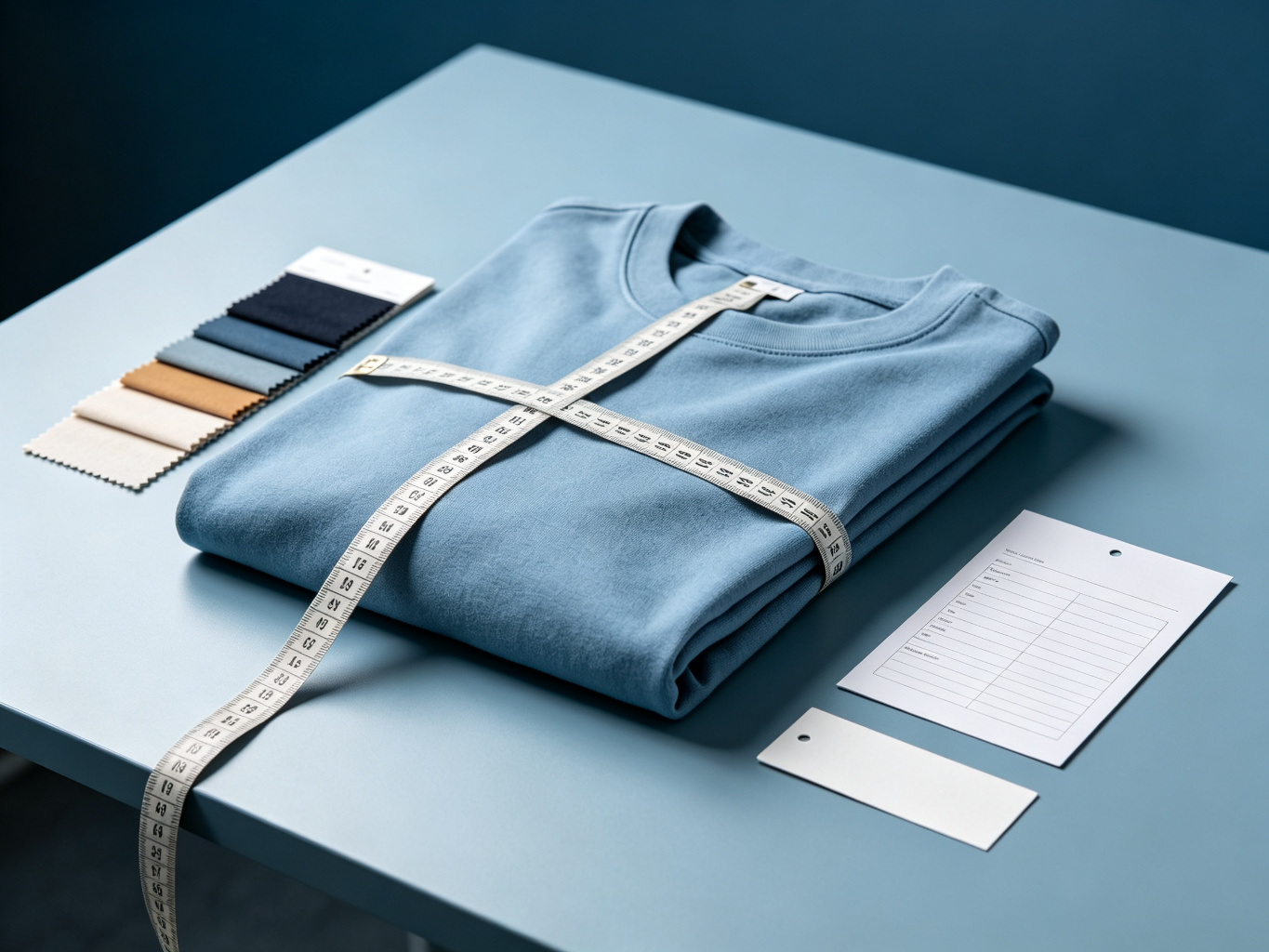
Measurements shift. Stitching becomes less consistent. A print moves a few centimeters. The fabric color changes under the same name. Repeat production needs a visible reference, not a memory of the first order.

Branding adds another layer of accuracy
Removing a supplier label, replacing a size mark, sewing in a logo, or attaching a hang tag requires the correct artwork, position, method, and SKU. A branding step performed against the wrong variant creates a finished error that is harder to reverse.

Air becomes part of the freight cost
Hoodies, knitwear, jackets, and selected sportswear can occupy far more space than the garment itself requires. Compression can help, but only when the fabric, print, padding, trims, and desired presentation can tolerate it.
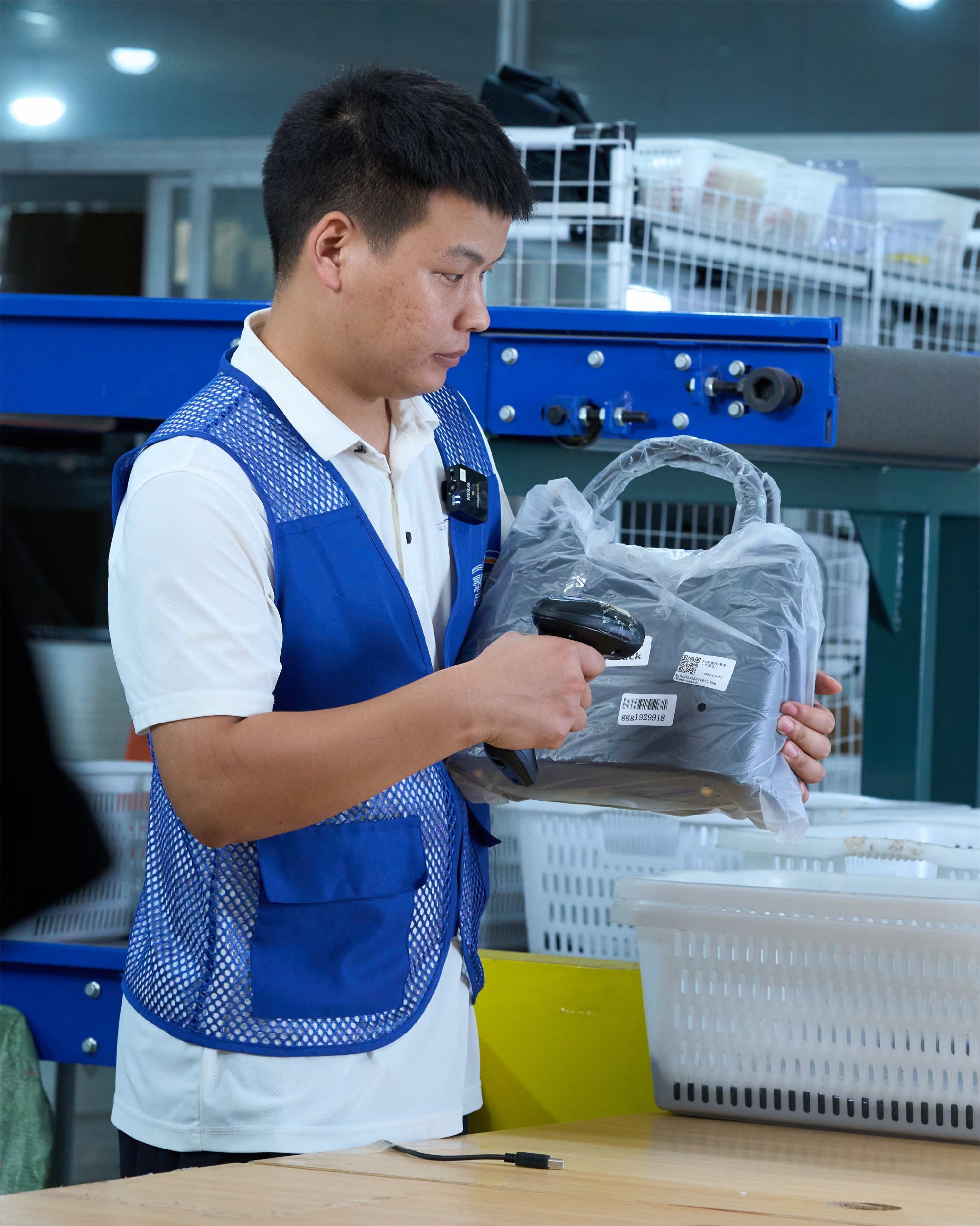
Every garment passes through the agreed inspection
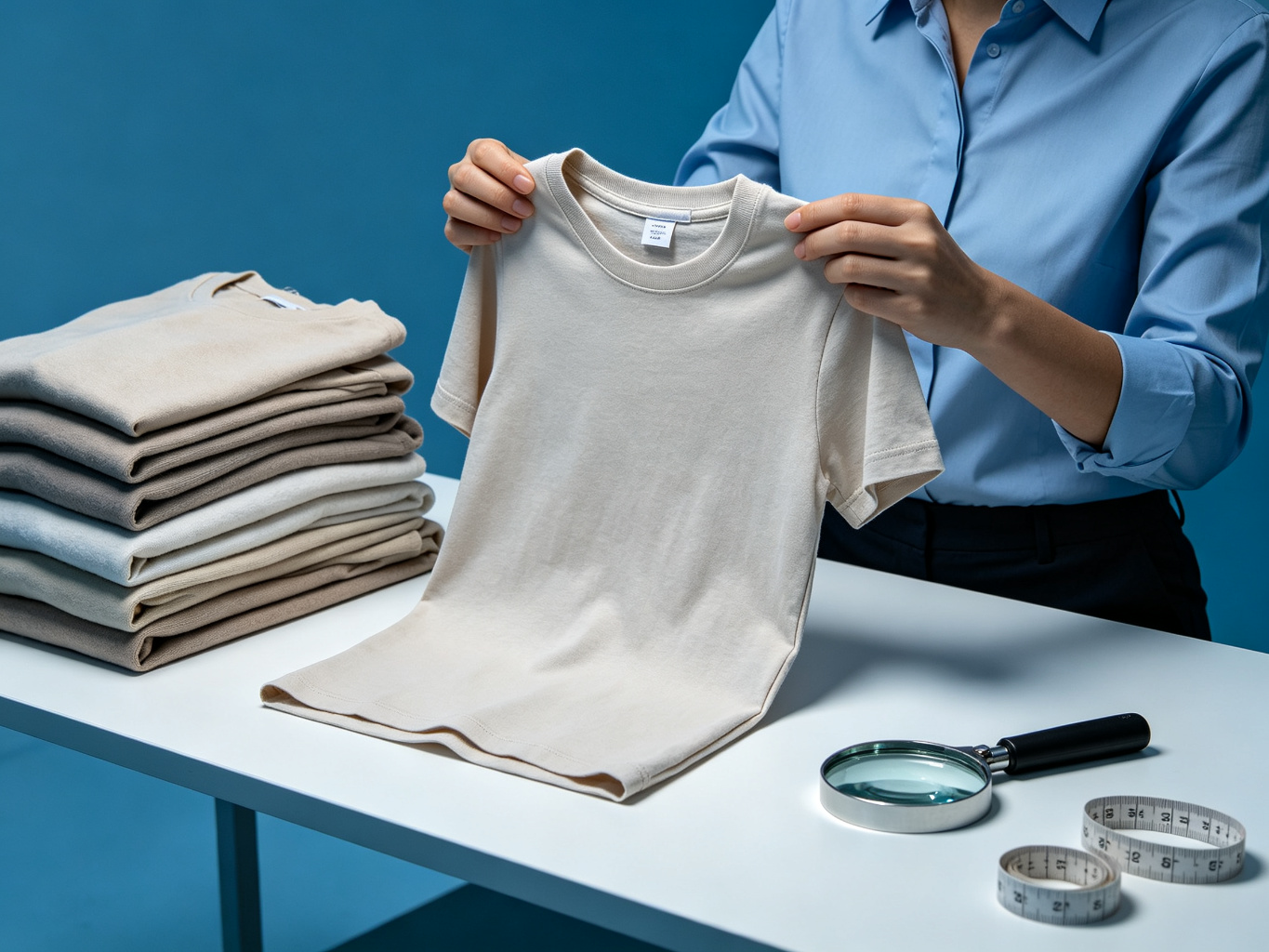
FFOrder provides 100% inspection for apparel orders covered by this service. Every unit is checked against the written product and workmanship requirements rather than relying on a few pieces taken from the carton.
Product and variant
 Style, color, and sizeGarment label, barcode, SKU, and polybag informationQuantity and assortmentVisible color difference against the approved referenceMeasurements included in the inspection standard

Workmanship and presentation
Stitching, seams, loose threads, and visible defectsPrint, embroidery, logo, and placementButtons, zippers, drawstrings, and other applicable componentsStains, holes, damage, or obvious deformationFolding, packaging, and included accessoriesComplete the brand work before the sku reaches the shelf
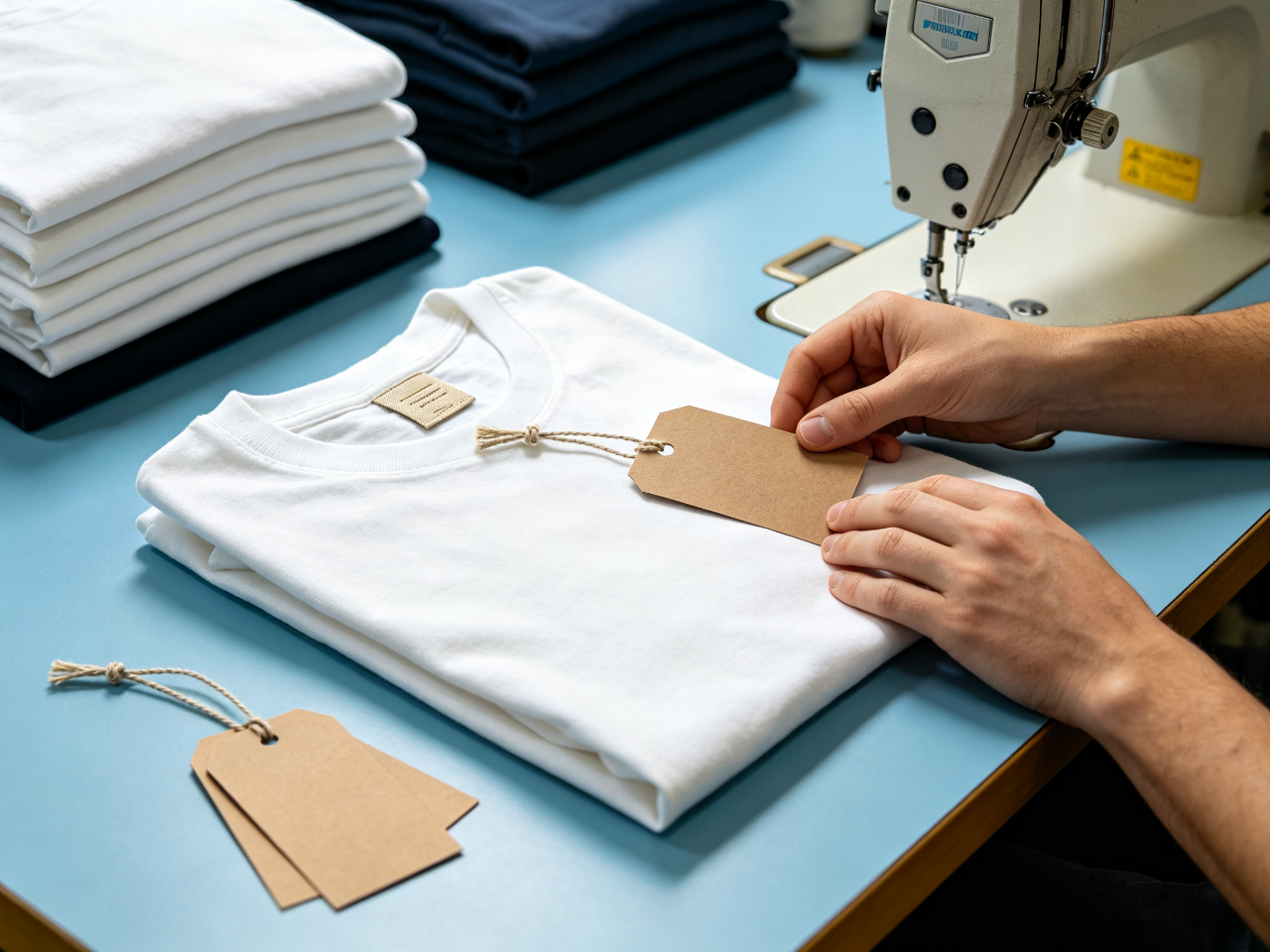
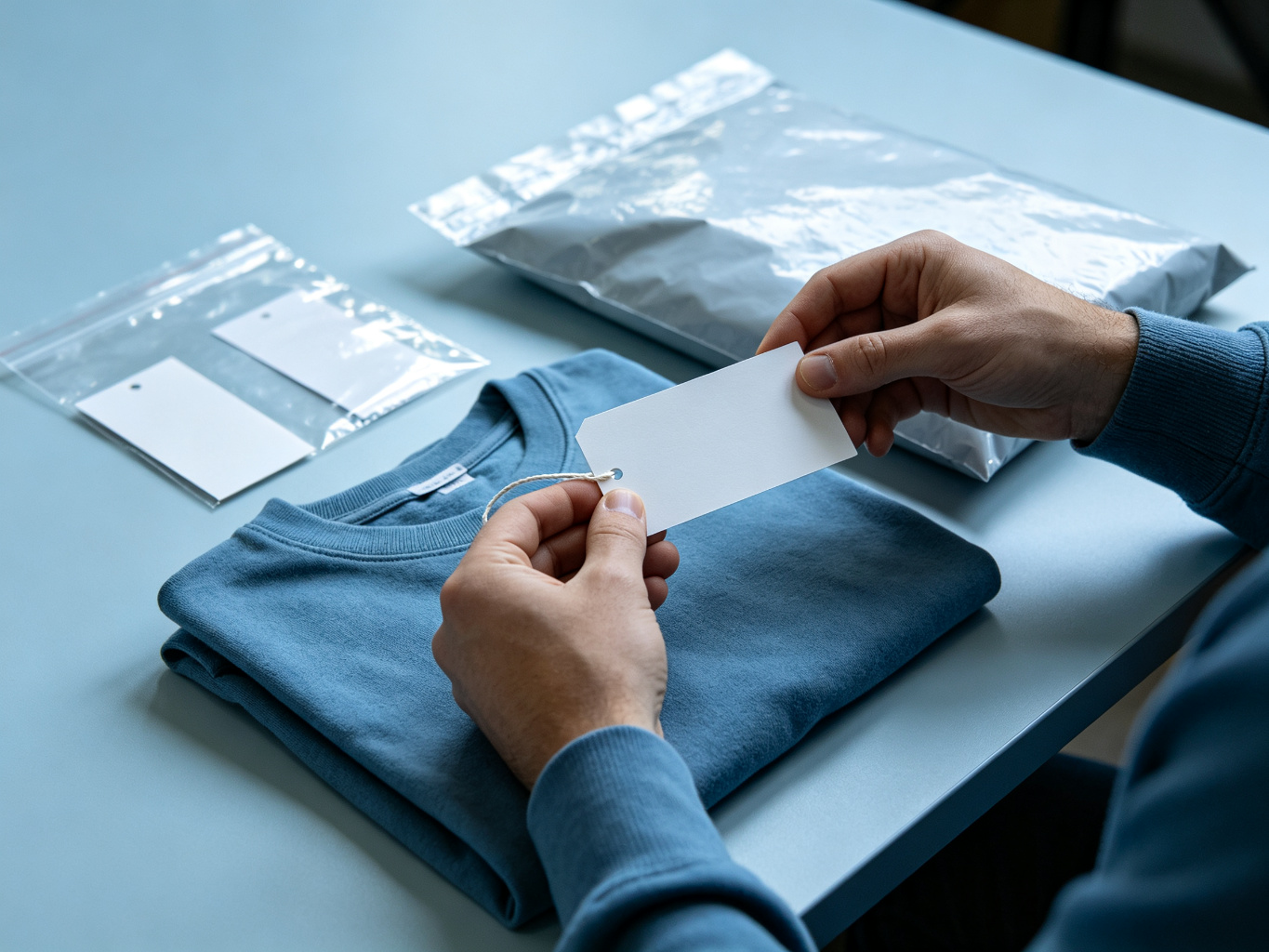
Brand preparation is easier to control in one batch than one customer order at a time. The approved label, tag, logo, and packaging should be attached to the correct variant before normal picking begins.

Label removal and replacement
Remove supplier branding where the garment construction and agreed method allow, then apply the confirmed replacement label.

Hang tags and size labels
Match hang tags and replacement size labels to the approved style, color, and size map.

Sewn logos and brand labels
Use the confirmed artwork, dimensions, position, thread, and sewing method for custom logos or brand labels.
Use vacuum packing only when the garment can take it
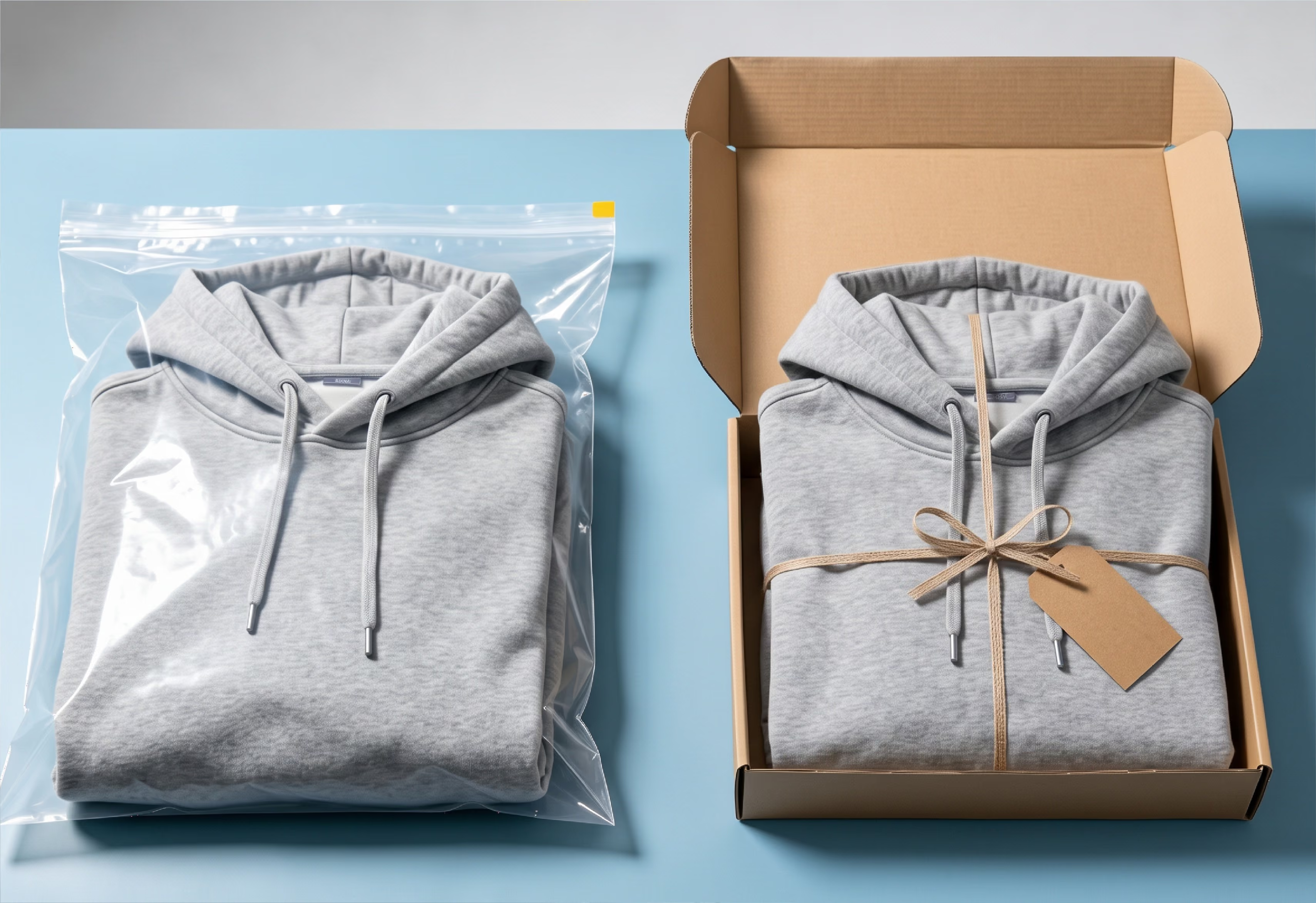
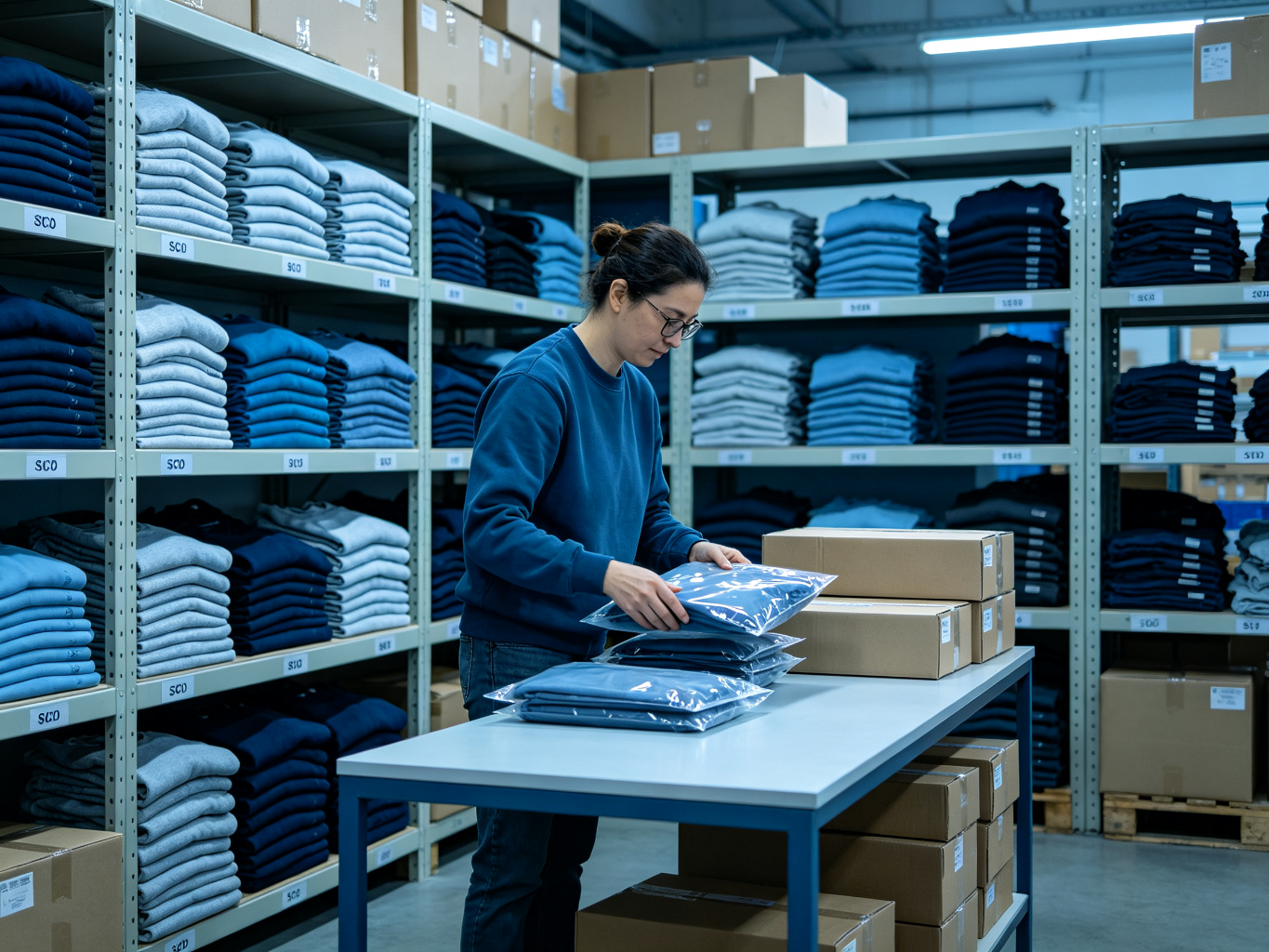
For suitable apparel, vacuum compression can reduce packed volume by 60% or more. That is useful for bulky but compressible products and can lower volumetric weight or reduce the warehouse space required per unit.
Structured garments, delicate trims, padded pieces, easily creased fabrics, or some print applications may need another packout. The garment should still arrive in a condition that matches the brand's presentation standard.

A confirmed packout may include
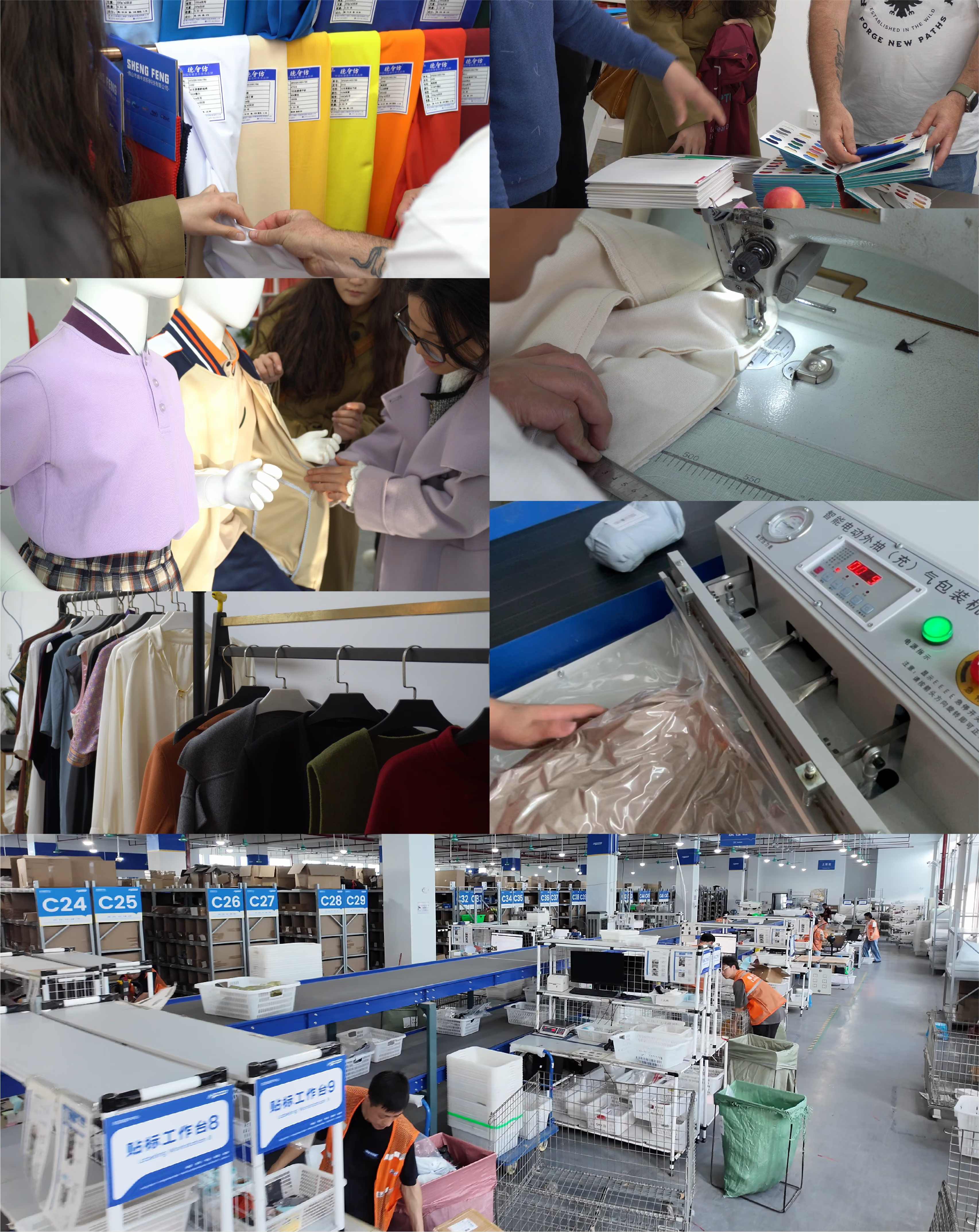
Folding to the approved methodIndividual polybags or branded bagsVacuum compression for suitable garmentsVisible SKU, color, and size identificationHang tags, inserts, or other approved materialsCarton packing based on the final package dimensionsFrom approved sample to
customer order


Operating capacity
Frequently asked questions
Tell Us About Your Apparel Project
Share your contact details, online store, and monthly order volume. You can also include a product link, key specifications, or the main challenge you’d like help with.




Get Sourcing & Fulfillment Insights
Practical tips on product sourcing, shipping, and fulfillment, plus updates from FFOrder.
Unsubscribe anytime.