3 Best Zendrop Alternatives in 2026: Spocket, HyperSKU & FFOrder Compared
Compare Spocket, HyperSKU, and FFOrder by pricing, supplier access, integrations, branding, sourcing, inventory, and fulfillment.

Spocket is best when US and European supplier access or broader storefront support is the priority.
HyperSKU is best for sourcing, branding, inventory, and fulfillment without a monthly platform subscription.
FFOrder is best for selected products that need managed factory sourcing, product-specific QC, private inventory, packaging, and clearer fulfillment ownership.
Keep Zendrop if its current integrations, billing model, product access, and fulfillment workflow are working reliably.
Move selected SKUs rather than migrating the entire catalog, and test every variant, order, inventory, and tracking workflow before increasing volume.
What Zendrop Does Well—and When to Keep It
Zendrop’s main strength is convenience. Its dropshipping platform keeps catalog access, sourcing requests, automated fulfillment, and tracking in one workflow. Sellers can also use custom branding, print-on-demand, US and China 3PL, and—if eligible—the Private Agent Program.
One detail matters here: access to US products does not mean every catalog item is stocked in a US warehouse. Location and availability still need to be checked against the exact SKU.
Keep Zendrop if:
- Your store runs on one of its direct integrations.
- Sourcing, order automation, and tracking are stable.
- The available stock and warehouse locations suit your markets.
- You actively use its education, support, branding, or POD features.
- Remapping products and separating open orders would cost more than the expected gain.
Why Sellers Compare Zendrop Alternatives
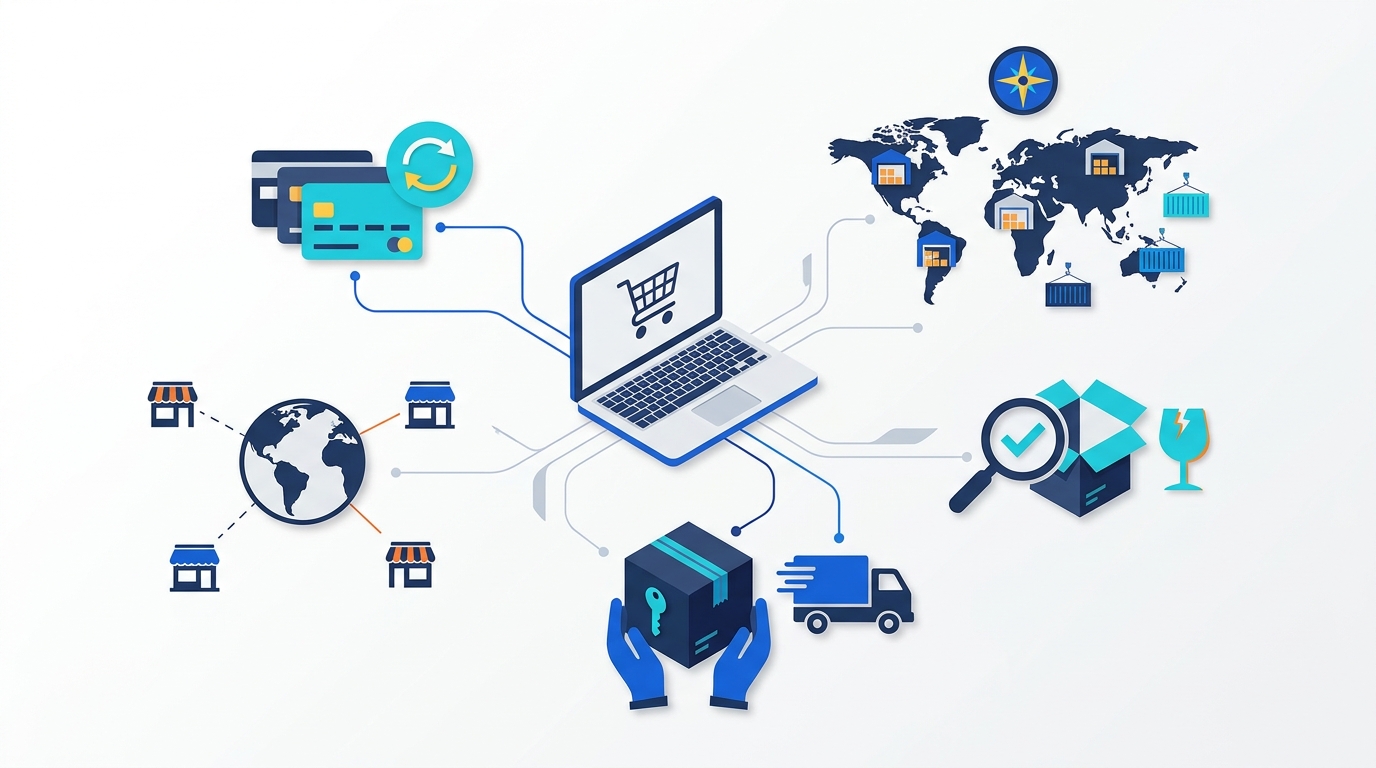
The need to compare usually appears at one of five pressure points. None of them automatically makes Zendrop the wrong choice; they simply change what matters in the decision.
The Free Plan Does Not Cover Live Selling
Zendrop’s free access is a research environment. It is useful for browsing the catalog, reviewing prices, and learning the interface. Linking or importing products, processing orders, and using fulfillment require paid access. The meaningful starting cost is therefore the plan that can run a live store—not the price of creating an account.
Billing Depends on the Account Model
“What does Zendrop cost?” does not have one answer. Zendrop currently uses two billing models: Standard Plans billed directly by Zendrop for legacy accounts, and usage-based billing through Shopify or Wix for current new signups.
UBB looks at the highest linked-product count reached during the billing cycle, plus any active tier commitment. Removing products later does not erase that peak. Before changing anything, check the account’s model, commitment, next billing date, and cancellation instructions.
Direct Integration Coverage May Be Too Narrow
Being able to sell on a channel is not the same as having a native connection. Zendrop integrates directly with Shopify, TikTok Shop US, ClickFunnels, and Wix. Its documentation says products can still be sold on Amazon or eBay, but those orders must be placed manually.
That distinction matters for WooCommerce, marketplaces, LATAM platforms, and custom storefronts. The practical question is whether orders, inventory, cancellations, and tracking move automatically—or whether someone must carry them between systems.
The Business Is Expanding Beyond a US-Focused Workflow
Zendrop is not US-only. It offers both US 3PL and China 3PL. A multi-market business still needs a more specific check: which warehouse holds the SKU, how stock is allocated, which destinations are served, and what shipping service is used on each route.
Selected Products Need More Operating Control
Zendrop already covers sourcing, branding, POD, 3PL, and product inspection through eligible programs. It also offers dedicated support through Private Agent. The gap only becomes meaningful when a proven product needs its own approved sample, written specifications, product-specific QC, replenishment rules, packaging inventory, and a clearly named owner when something breaks.
Zendrop Pricing Explained Before You Compare
Zendrop does not use one billing system for every account. Its pricing overview separates legacy Standard Plans from usage-based billing for current Shopify or Wix signups. Check the billing page inside the actual account before comparing costs.
- Free access: Catalog research only. Products cannot be imported and orders cannot be processed while the account remains free, according to Zendrop’s plan guide.
- Standard Plans: Fixed subscriptions for eligible legacy accounts. The official guide lists Pro at $49 per month and Plus at $79 per month.
- Usage-based billing: Charged through Shopify or Wix according to the peak linked-product count and any active commitment. The UBB guide starts at $29 per month for 1–20 linked products, with higher tiers at $49 and $79. Unlinking products later does not reduce the peak already recorded for that billing cycle.
The subscription is only one part of the cost. Product price, shipping, branding or POD, inventory and 3PL services, duties, and taxes still need to be compared. Promotions and account terms can change, so verify the live account before cancelling or migrating.
How We Compared the Alternatives
A feature count would be misleading. These providers do not all own the same part of the workflow, so we compared the points that change daily operations:
- Billing and access: The cost of reaching a usable live-selling setup, including subscriptions, UBB, products, shipping, and service charges.
- Software workflow: What happens automatically across imports, orders, inventory, tracking, and store connections.
- Sourcing model: Whether the seller works from a catalog, supplier marketplace, factory-sourcing process, or managed agent.
- Physical operations: How samples, QC, private stock, warehouses, packaging, POD, OEM, and ODM are handled.
- Operating ownership: Who stays with a stockout, wrong SKU, lost parcel, return, or quality claim until it is closed.
Zendrop vs Spocket vs HyperSKU vs FFOrder
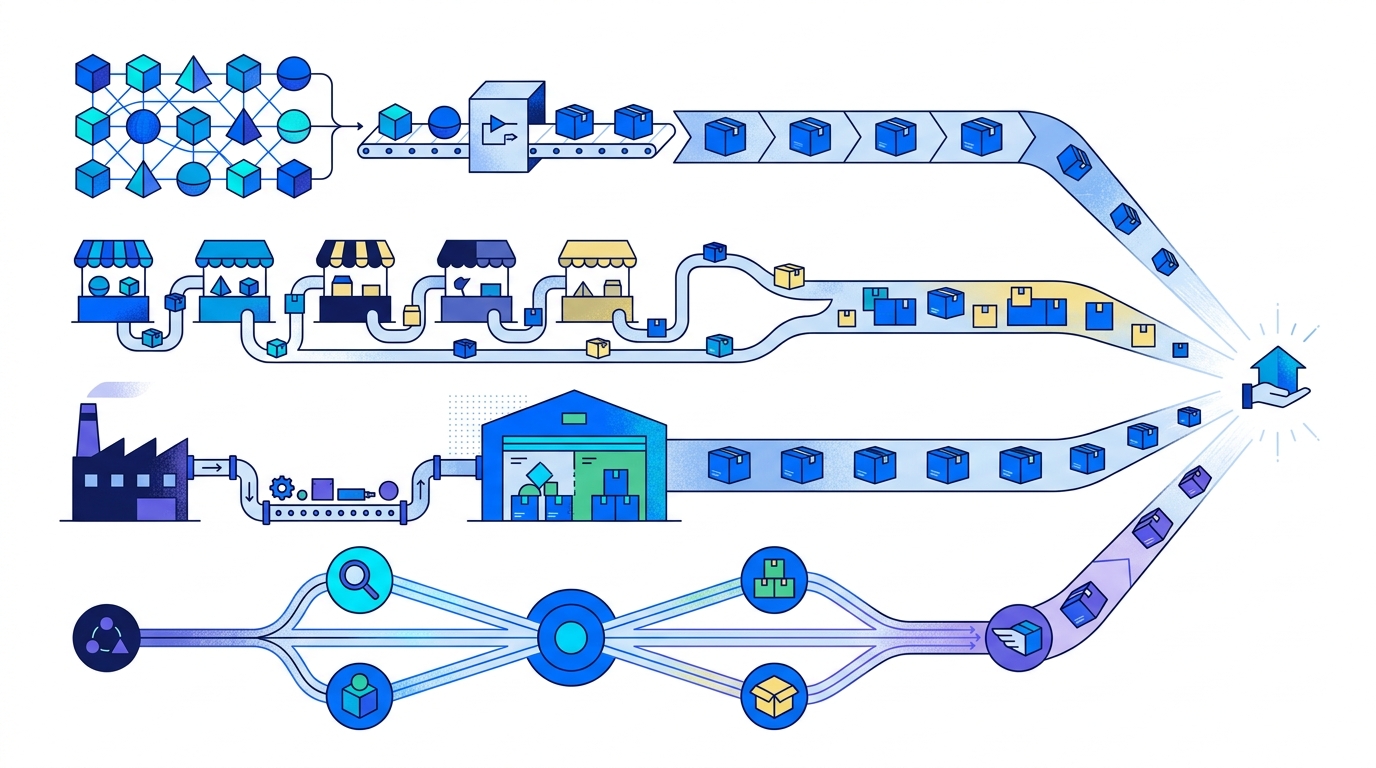
The shortest way to read this table is by operating model. Zendrop is a catalog-led platform with guided fulfillment. Spocket is a supplier marketplace. HyperSKU combines sourcing with fulfillment. FFOrder builds the workflow around selected products.
The 3 Best Zendrop Alternatives in 2026
1、Spocket — Best for US/EU Supplier Access
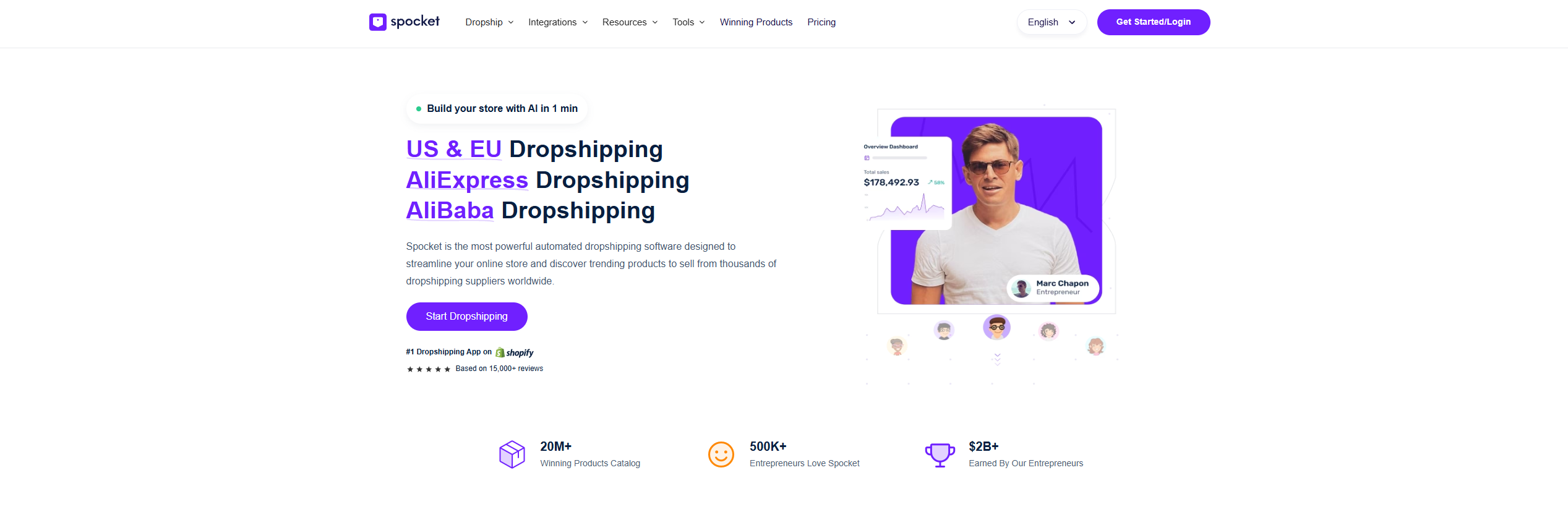
Spocket is the strongest fit here when supplier region is the first filter. Its marketplace emphasizes US and European suppliers. Sellers can import products, synchronize orders and inventory on supported stores, and place sample orders before committing to a supplier. Branded invoicing is available on eligible paid plans, not across every account.
Its store-integration documentation covers platforms including Shopify, WooCommerce, Wix, and BigCommerce. For a seller outside Zendrop’s direct-integration list, that may remove a real workflow constraint. The connector still needs to support the exact order, inventory, and tracking behavior the store expects.
As of August 19, 2026, Spocket’s pricing page lists Starter at $39.99 per month and advertises a trial. “Start free” is an entry point, not an unlimited free plan for live selling; the signup flow shows the applicable trial period.
The supplier marketplace is also the trade-off. Product cost, origin, dispatch, return terms, and fulfillment quality can vary from one supplier to the next. Zendrop remains the cleaner choice when its own catalog, education, automated fulfillment, POD, and US/China 3PL already form a workable system.
2、HyperSKU — Best for Sourcing, Branding, and Fulfillment Without a Subscription
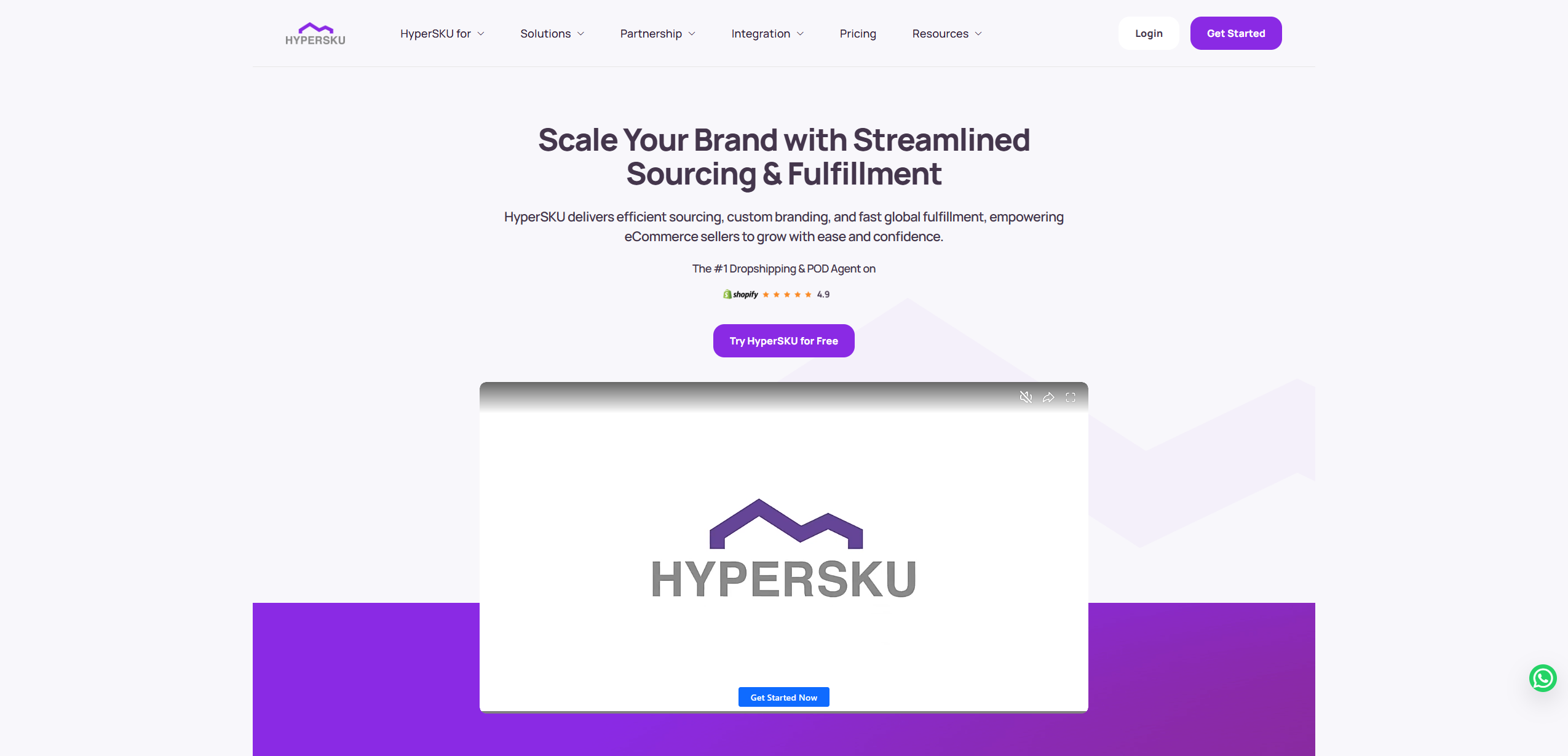
HyperSKU sits closer to the physical operation. Its documented workflow covers sourcing requests, quotes, order and tracking sync, QC, inventory, custom packaging, POD, private labeling, warehousing, and fulfillment.
There is no monthly platform subscription, according to its sourcing documentation and pricing page. That does not make fulfillment free. Products, shipping, storage, customization, and any used services still carry charges.
The integration center lists Shopify, Etsy, TikTok Shop, WooCommerce, Wix, BigCommerce, Shoplazza, PrestaShop, Yampi, and other storefronts. That wider range is useful when Zendrop does not directly support the store in question.
Pricing and scope still have to be worked out around the product, volume, warehouse, customization, and route. HyperSKU’s pricing page currently gives Free Plan accounts up to 30 days of free China-warehouse storage and Premium Plan accounts up to 60 days. Storage beyond the relevant allowance may be charged.
Zendrop may still be the easier fit for a seller who values a ready catalog, built-in education, and a simpler workflow inside a supported store.
3、FFOrder — Best for Managed Sourcing and Fulfillment
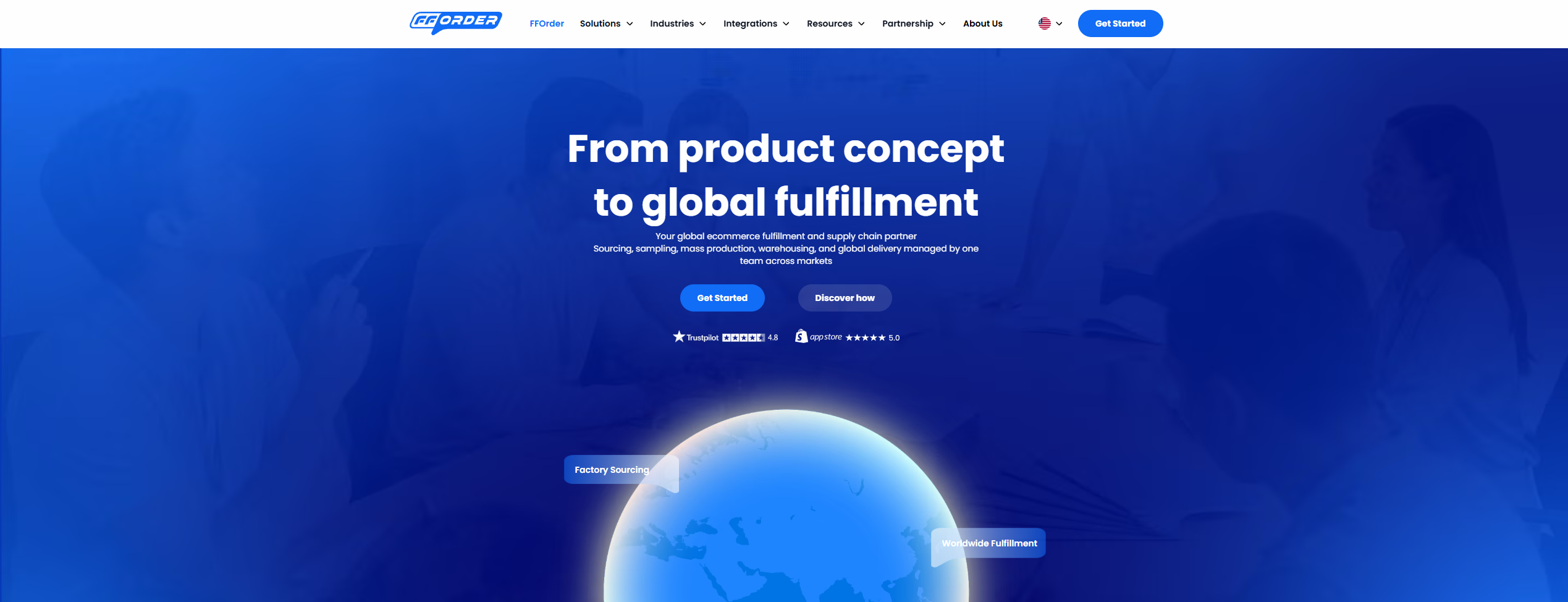
FFOrder starts somewhere else: not with a catalog search, but with a product requirement. The useful inputs are the SKU, specifications, target markets, expected volume, packaging, and fulfillment rules.
From there, the operating scope can include factory sourcing, supplier comparison, samples, written specifications, product-specific QC, private inventory, replenishment, custom packaging, warehousing, 3PL fulfillment, and print-on-demand. OEM and ODM are scoped around the product rather than presented as universal catalog options.
There is no platform membership fee. The physical work is not free: products, production, packaging, storage, and shipping are quoted, and a product-specific MOQ may apply.
The current FFOrder integrations page lists Shopify, WooCommerce, TikTok Shop, CartPanda, Yampi, Nuvemshop, Dropi, and a developer API. It also describes order imports, SKU mapping, inventory sync, tracking write-back, and structured exception handling.
This is a better fit once demand is repeatable or the product brief is clear. It is not a replacement for Zendrop’s catalog, product discovery, coaching, or listing workflow.
FFOrder vs Zendrop: What Actually Changes?
The overlap is real, and pretending otherwise would make the comparison less useful. Zendrop already offers sourcing, samples, product inspection through eligible programs, branding, POD, US and China 3PL, inventory services, returns, and dedicated support. The move to FFOrder changes the operating model around selected products; it does not turn “no supply chain” into “a supply chain.”
The practical difference is the starting point. Zendrop works naturally for sellers browsing products and running a supported app workflow. FFOrder becomes relevant when the product is already known and execution needs to follow an approved sample, written specifications, QC rules, replenishment, and packaging requirements.
There is no documented native connection between the two. Neither the Zendrop integration page nor the FFOrder integration page lists one. If both providers remain in use, give every SKU and order a single owner—split by SKU or by a fixed order timestamp—to prevent duplicate fulfillment.
Which Option Fits Your Business Stage?
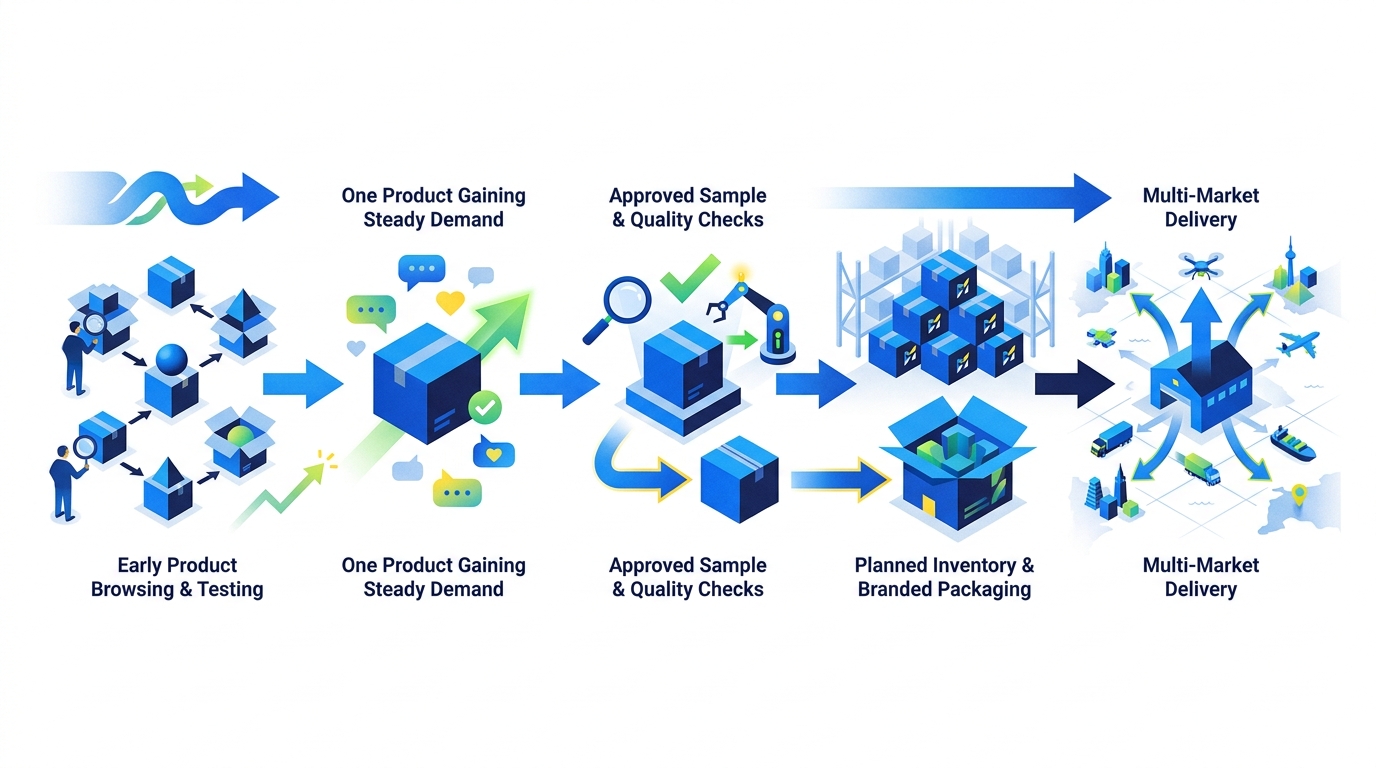
The answer can change inside the same store. A product being researched does not need the same operating model as a SKU that is reordered every week.
Using more than one workflow can be sensible. Testing products may stay in Zendrop or Spocket while a stable SKU moves into a more managed HyperSKU or FFOrder setup. The boundary must remain clear: one SKU, one order, one fulfillment owner.
How to Move from Zendrop Without Disrupting Orders
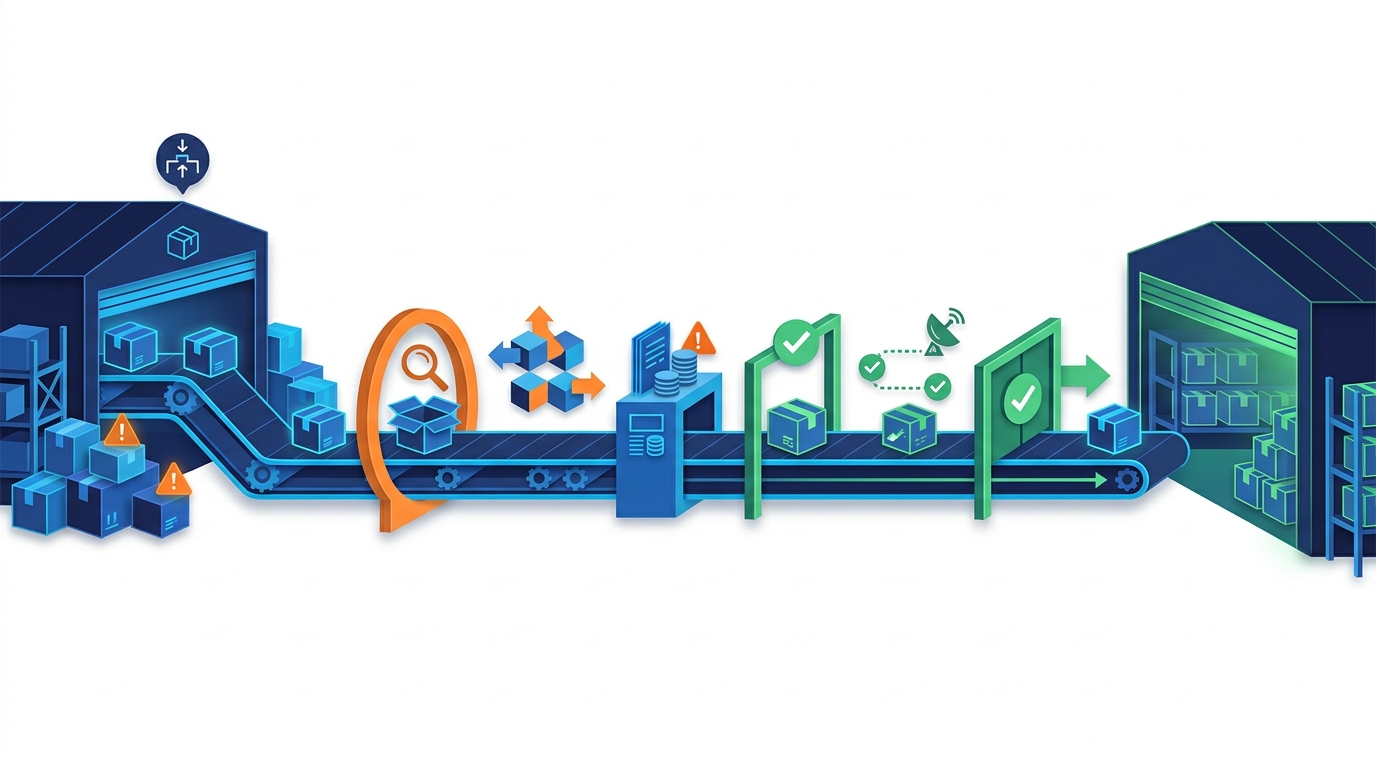
A clean migration starts with order ownership, not app settings. Do not unlink products or uninstall Zendrop until the open orders, billing model, and cutoff rule are documented.
1、Audit Open Orders and After-Sales Cases
Build one working sheet. Record the Zendrop order ID, store order ID, status, tracking number, refund or replacement status, and the person or provider responsible for the next action.
Zendrop’s disconnection guidance says shipped and processing orders continue after disconnection. Pending orders stop syncing; they need manual handling or a reconnection. Save the order history before deactivating the account, because deactivation can remove access to store data.
2、Export Linked Products and Document Every Variant
Export whatever Zendrop and the storefront make available. If there is no complete export, create the product map manually. Include:
- Store SKU and variant.
- Zendrop product and variant.
- Supplier and warehouse.
- Bundle components.
- POD or branding files.
- Packaging requirements.
- Current shipping method.
A product title is not enough. Size, color, plug type, material, bundle quantity, or warehouse can point to a different item.
3、Check the Billing Model Before Unlinking or Uninstalling
For a Standard Plan, check the renewal date, monthly or annual term, and the cancellation instructions shown in the account.
For UBB, record peak linked-product usage, any tier commitment, the next billing date, and pending Shopify or Wix invoices. Unlinking after the peak does not reduce the current cycle. Zendrop’s cancellation guide also warns that an invoice already generated may still be processed.
4、Quote, Sample, Map, and Test
Keep the comparison matched: same SKU, specification, quantity, warehouse, destination, packaging, and shipping service. Approve the sample before moving live volume.
Then run a complete test order. Check import, variant mapping, inventory deduction, cancellation, fulfillment, tracking write-back, refund, and reship—not just whether the order appears in the new dashboard.
5、Cut Over by SKU or Timestamp
Use one rule. Zendrop can finish orders placed before a fixed timestamp while the new provider owns later orders, or each provider can handle a separate set of SKUs.
Write that rule into both systems and share it with fulfillment and customer-service teams. Ambiguity here is how one order gets shipped twice—or not at all.
Zendrop’s public material describes stock held within its own US and China 3PL services. It does not set out a standard process for releasing inventory or packaging to an outside provider. This article therefore makes no transfer assumption and gives no transfer-fee estimate. If the account already holds stock, ask Zendrop what can be done before setting the cutoff date.
Zendrop Alternatives FAQ
What is the best Zendrop alternative in 2026?
The best option depends on the bottleneck. Spocket is a stronger match for US/EU supplier access and a wider set of supported storefronts. HyperSKU suits sellers who want sourcing, branding, and fulfillment without a monthly subscription. FFOrder fits selected products that need managed factory sourcing, product-specific QC, inventory, packaging, and clearer operating ownership.
Is Zendrop still worth using?
Yes—when its current workflow still fits the store. Zendrop brings catalog access, sourcing, automated fulfillment, tracking, branding, POD, education, and US/China 3PL into one platform. Keeping it is reasonable when the store is directly supported, the billing model is acceptable, and the available products and warehouse locations match the markets being served.
Is there a free alternative to Zendrop?
There are free-entry options, but not free physical fulfillment. Zendrop offers catalog research without a live linked-product workflow, Spocket advertises a trial, and HyperSKU charges no monthly platform subscription. Products, shipping, storage, branding, and fulfillment can still cost money. Compare the first setup that can process a real order, not the price of opening an account.
Is Zendrop or Spocket better?
Choose Spocket when regional supplier access and broader storefront support matter most. Choose Zendrop when its centralized catalog, supported-store automation, education, POD, and US/China 3PL form the better workflow. Neither is automatically stronger: the answer depends on supplier location, the store platform, and how much supplier-level variation the seller is prepared to manage.
Is HyperSKU a good alternative to Zendrop?
Yes, especially when sourcing and physical fulfillment need to sit together without a monthly platform subscription. HyperSKU documents quotes, order sync, tracking, QC, inventory, packaging, POD, private labeling, and fulfillment. Products and services remain chargeable, and pricing varies by SKU, volume, warehouse, and route. Its China-warehouse storage allowance also differs between the Free and Premium plans.
Can FFOrder replace Zendrop completely?
No. FFOrder can manage factory sourcing, samples, written specifications, product-specific QC, private inventory, packaging, warehousing, fulfillment, and after-sales coordination for selected products. It does not replace Zendrop’s catalog, product discovery, coaching, or listing workflow. The fit is stronger when physical execution needs defined ownership—not when the seller wants a like-for-like software substitute.
Final Verdict
- Keep Zendrop if its supported-store workflow, product access, billing, and fulfillment are doing the job.
- Choose Spocket when US/EU supplier access and broader storefront support are the priority.
- Choose HyperSKU for sourcing, branding, and fulfillment without a monthly platform subscription, subject to SKU-level quotes and service terms.
- Consider FFOrder when selected products need managed factory sourcing, product-specific QC, inventory, packaging, fulfillment, and clearer exception ownership.
The decision does not have to cover the whole catalog. Keep the products that work where they are. Move only the SKUs whose current workflow has a specific, measurable constraint.
FFOrder Team
FFOrder helps growing brands run dropshipping and fulfillment as one system — from sourcing across 40,000+ factories to global shipping and structured after-sales.
Ready to Compare Your Zendrop Setup?
Share your current products, linked-product count, target markets, order volume, inventory, branding requirements, integrations, and fulfillment challenges with FFOrder.
-1200x628%20(14).png)