
What Is a Third-Party Logistics Provider? Services, Types and How to Choose One
Learn what a third-party logistics provider does, the main types of 3PL services, and how to choose a partner for warehousing, fulfillment, shipping and returns.

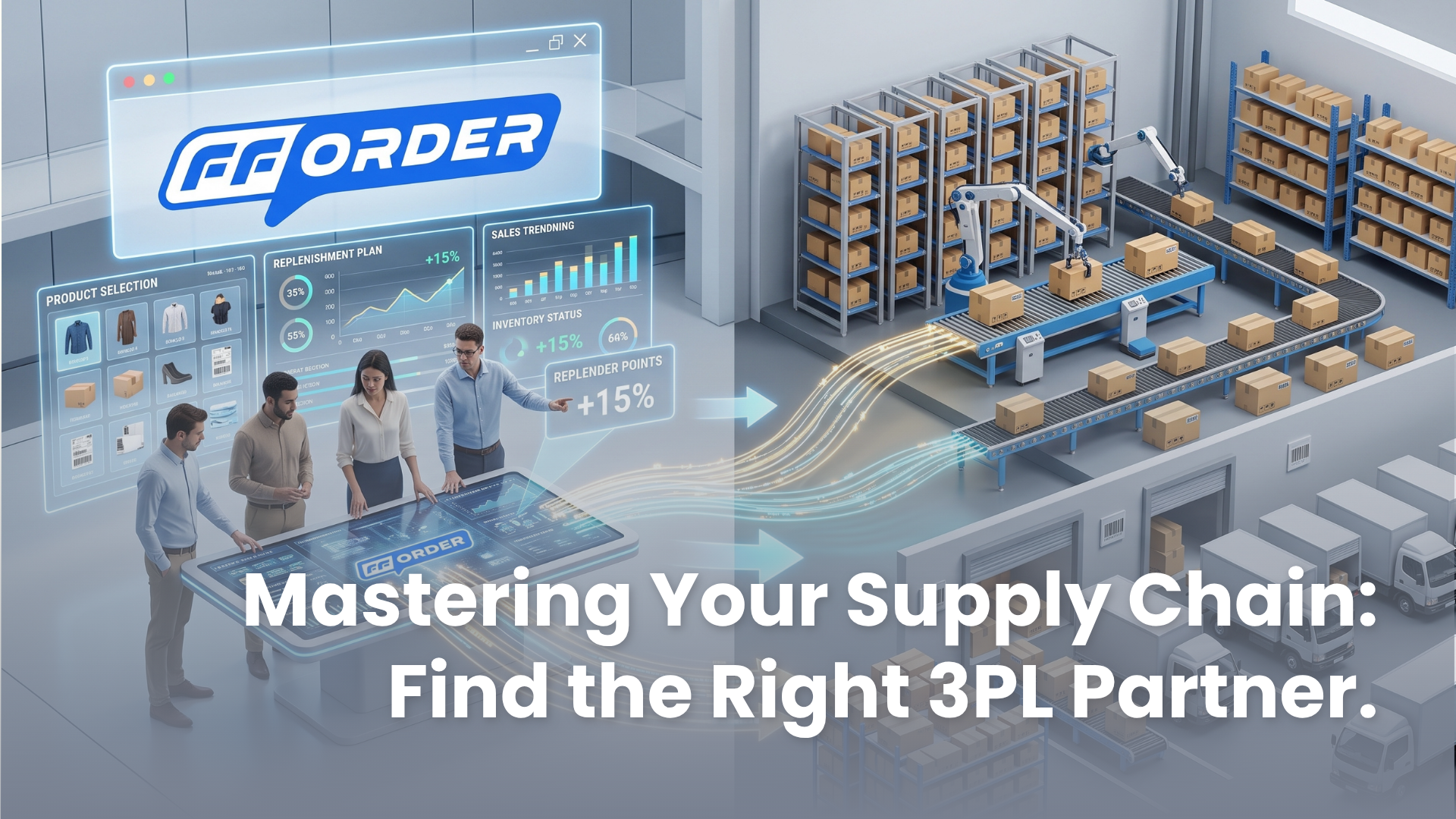
• Understand what a third-party logistics provider is and what it can manage for a business.
• Learn the core 3PL activities: receiving inventory, storage, order fulfillment, shipping, tracking and returns.
• Compare transportation-based, warehouse-based, freight-forwarding and integrated logistics providers.
• Understand the difference between a 3PL, fulfillment center, freight forwarder and 4PL.
• Identify the business conditions that make outsourcing logistics worth considering.
• Evaluate the benefits and trade-offs of using an external logistics provider.
• Use a practical framework to assess pricing, systems, capacity, packaging, returns and service-level fit before choosing a 3PL.
A third-party logistics provider handles the logistics work a business chooses to outsource—from warehousing and fulfillment to shipping, returns and inventory operations.
More orders are only part of the problem. As a business grows, someone still has to receive stock, keep inventory straight, follow packing rules, coordinate delivery and sort out the orders that go wrong.
A 3PL can take on some or all of that work. The scope varies: one provider may arrange freight, another may run a fulfillment warehouse, and another may connect several parts of the supply chain. What matters is the work you need handled—not whether the provider simply has warehouse space.
A 3PL can take work off your team, but it cannot replace clear product standards, inventory planning or customer promises.
What Is a Third-Party Logistics Provider?
A third-party logistics provider, or 3PL, is an external company that manages or coordinates logistics work for another business. Depending on the agreement, it may handle one task, such as transportation or warehousing, or a broader operation that includes inventory, order fulfillment, shipping and returns.
The word provider is important here. A 3PL is not a single transaction. It is a partner carrying out the parts of your operation you decide to hand over, under agreed processes, service levels and responsibilities. For a fuller ecommerce-focused explanation, see What Is 3PL? A Practical Guide for Ecommerce Brands.
What Does a 3PL Provider Do?
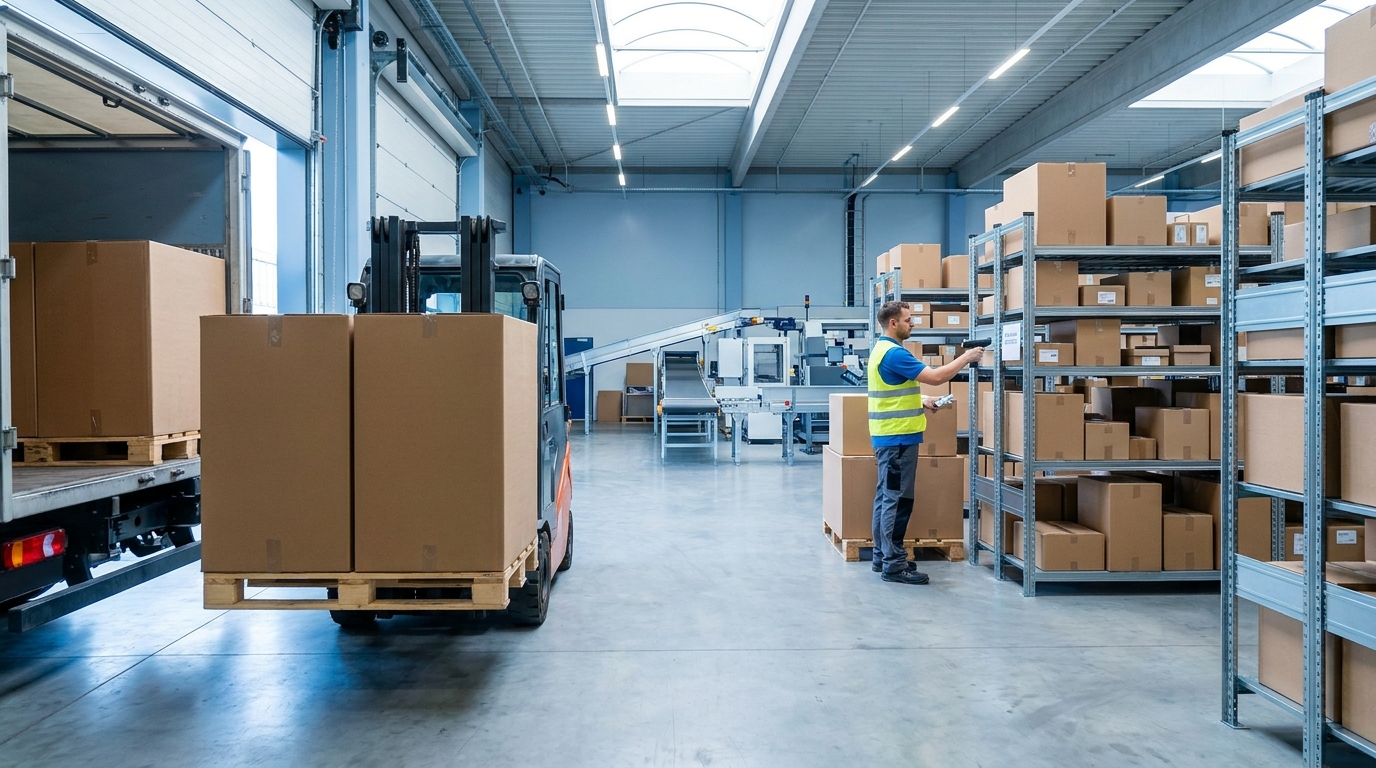
- Receive Inventory — Receive goods from factories, suppliers or another warehouse; check quantities and record stock.
- Store and Track Stock — Put products away and maintain usable inventory records.
- Receive Orders — Take orders from an online store, marketplace or other connected channel.
- Pick, Pack and Label — Pick the right products, pack to the agreed standard and apply labels.
- Ship and Track — Hand parcels to carriers and make shipment status available.
- Handle Returns and Exceptions — Follow an agreed process for returns, damage, missing items, address issues and stock differences.
For brands sourcing from China, FFOrder can link inbound receiving, agreed quality checks, inventory handling and fulfillment in one operating workflow. The better test is not the length of a provider’s service list. It is whether that provider can run your process reliably.
What Services Can a 3PL Provider Offer?
Core services
- Warehousing and inventory management
- Pick, pack and ship fulfillment
- Transportation coordination
- Returns and reverse logistics
- Order and shipment tracking
Value-added services
- Kitting and bundling
- Branded packaging and inserts
- Product labeling
- Basic quality checks
- FBA preparation
- Multi-channel order integration
- Custom handling for selected products
Not every provider offers every service. Some specialize in freight or transportation, while others run warehouse-based fulfillment operations.
Types of Third-Party Logistics Providers
Transportation-Based 3PLs
They manage carrier relationships, freight brokerage, rate negotiation and routing. Best for: businesses with their own warehouse but complex transportation needs.
Warehouse-Based 3PLs
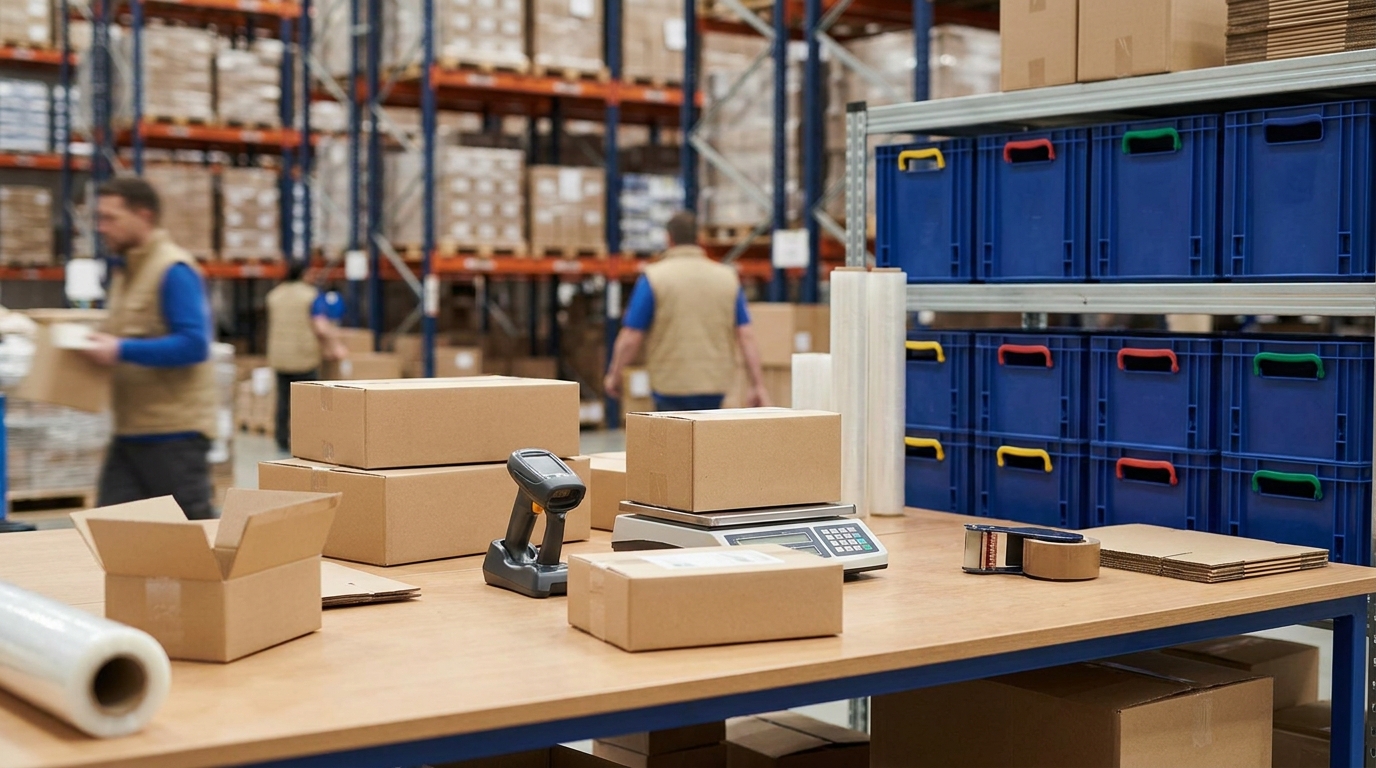
They receive, store, pick, pack, ship and process returns. Best for: ecommerce and DTC brands managing growing SKU counts or channels.
Freight Forwarders
They arrange international cargo movement, bookings, documents, consolidation and routing. Best for: moving inventory between countries or regions.
Full-Service or Integrated Providers
They can connect sourcing coordination, receiving, quality checks, warehousing, fulfillment, shipping coordination and agreed after-sales handling. Best for: brands with multiple suppliers or cross-border operating complexity.
FFOrder operates in this integrated model, connecting sourcing, warehouse operations, fulfillment, shipping coordination and agreed after-sales processes. If products still need supplier selection, samples or production oversight before they reach the warehouse, compare the options in 6 Best China Sourcing Agents in 2026 for Ecommerce and Private Label.
How Is a 3PL Different From a Freight Forwarder, Fulfillment Center and 4PL?
A fulfillment center can be a type of 3PL. A freight forwarder usually moves cargo rather than managing daily customer orders. A business can use both: a forwarder for inbound freight and a warehouse-based 3PL for ecommerce fulfillment. Brands with China-sourced stock can compare operating models in 6 Best China 3PL Providers for Ecommerce in 2026.
Why Do Businesses Use a 3PL Provider?
Businesses usually start looking for a 3PL when warehouse work starts crowding out product, marketing and customer work. The trigger may be growing orders and SKUs, limited space, peak-period errors, multichannel stock issues, new-market expansion, or the need for labels, bundles and branded packaging.
Businesses usually turn to a 3PL when fulfillment has become a real operating function—not just a few boxes to pack at the end of the day.
What Are the Benefits and Trade-Offs?
A 3PL can give a business access to space, operating staff, systems, carrier relationships and specialist handling without building all of it internally. It can also make a new market or channel easier to test.
The trade-off is that the operation now runs by agreement. Fees may be split across receiving, storage, fulfillment, special work and returns. Visibility depends on the systems and reporting available. Packing, returns and exceptions need rules before orders go live. For a broader provider comparison, read 10 Best Ecommerce Fulfillment Companies in 2026.
A 3PL can improve execution. It cannot replace clear operating standards.
When Should You Use a 3PL Provider?
Consider a 3PL when volume and SKU growth are outpacing your space or team; peak periods create errors or delays; inventory is hard to align across channels; or a new market would require an impractical warehouse investment. There is no universal order-volume trigger.
The business should also be able to explain how products are received, stored, packed and handled when something goes wrong. If those rules are still unclear, outsourcing will not solve the underlying problem. If you are deciding whether to keep operations internal, outsource them or combine both approaches, see In-House Fulfillment vs. 3PL: Which Is Right for Your Ecommerce Business?.
How to Choose a Third-Party Logistics Provider
Before signing, confirm product and handling fit; included versus separately priced services; inbound, storage, fulfillment and returns fees; order-system connections; inventory visibility; peak capacity; packaging and kitting support; exception handling; written service levels; and future market support.
Review 3PL fulfillment services for the operating scope, ecommerce fulfillment for daily order workflows, and custom packaging when presentation, inserts or protection affect the customer experience.

The right 3PL should fit your operating model, not force your business into a generic warehouse process.
Frequently Asked Questions
Is a fulfillment center the same as a 3PL?
It can be. A fulfillment center is usually a warehouse-based 3PL; other 3PLs may focus on transportation or information services.
Does a 3PL own the inventory?
Usually the brand retains ownership while the provider stores and processes goods under the service agreement. Ownership and liability should be written clearly.
Can small ecommerce businesses use a 3PL?
Yes, if the provider’s scope, pricing and minimum requirements fit the operation. The question is whether outsourcing solves a genuine operating constraint.
What should I ask before signing?
Ask about fees, data visibility, integrations, peak capacity, packing requirements, returns and responsibility for exceptions.
Final Takeaway
A 3PL can do far more than ship cartons. It may handle one defined task or connect warehousing, inventory, fulfillment, transport and returns. The better provider is not necessarily the one with the longest menu of services. It is the one that can run the work you need with clear data, workable rules and accountability.
FFOrder Team
FFOrder helps growing brands run dropshipping and fulfillment as one system — from sourcing across 40,000+ factories to global shipping and structured after-sales.
Choose a 3PL Provider That Fits Your Operating Model
FFOrder connects sourcing, inbound receiving, inventory handling, quality checks, branded packaging and global fulfillment in one coordinated workflow for growing ecommerce brands.
-1200x628%20(14).png)